The OpenAI Jony Ive device is the most closely watched hardware project in the AI industry right now, and it doesn’t even have a screen. OpenAI, the company behind ChatGPT, is building its first piece of physical hardware in partnership with Jony Ive, the designer behind the iPhone, iPod, and iMac. Details have leaked out slowly over the past year through court filings, investor events, and internal comments from OpenAI executives. Here’s everything that’s actually confirmed, separated from the speculation, along with the context you need to understand why this project matters so much to the entire AI industry.

How This Project Started
In May 2025, OpenAI acquired io Products, the hardware startup co-founded by Jony Ive, in an all-stock deal reportedly worth somewhere between $6.4 and $6.5 billion. That’s an enormous price for a company that hadn’t shipped a single product. It tells you how much weight OpenAI is putting on getting hardware right, rather than staying purely software focused like ChatGPT and now its business focused agent, ChatGPT Work.
Under the deal, Ive took on design leadership responsibilities across both OpenAI and io, while keeping his independent design studio, LoveFrom, as a separate entity. Sam Altman remained CEO of OpenAI, with the hardware effort folded directly into the company rather than run as a side project.
It’s worth pausing on just how unusual this arrangement is. Ive is arguably the most famous industrial designer alive, someone whose name is attached to some of the best selling consumer electronics in history. For a company that has spent its entire existence as a software and research lab to bring in that level of design pedigree signals that OpenAI sees hardware as a genuine strategic priority, not a side experiment to generate headlines.
What the Device Is Actually Supposed to Be
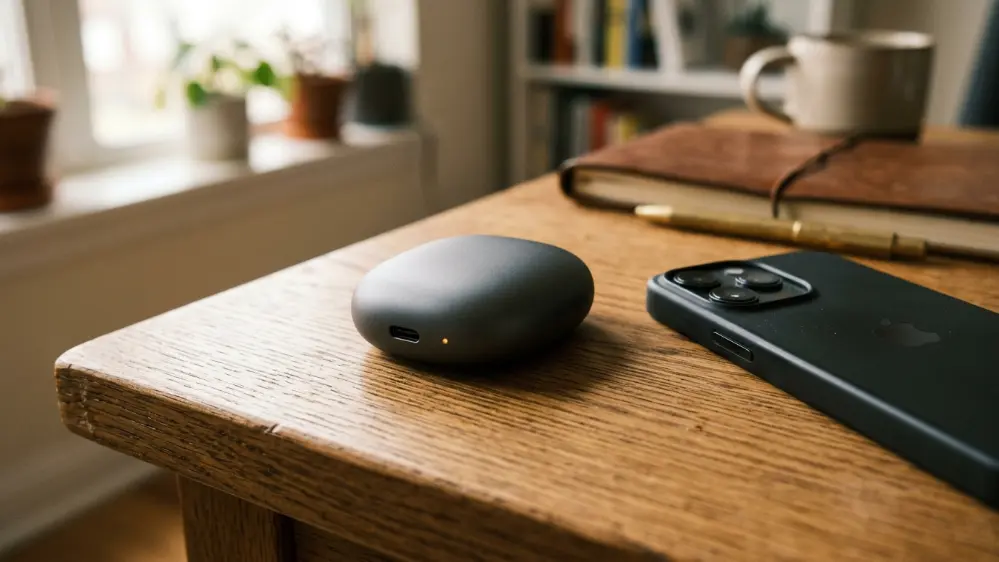
OpenAI and Ive have been unusually tight lipped about specifics, but a consistent picture has formed from reporting. The device is expected to be pocket sized, screenless, and voice first. Altman and Ive have both said publicly that they didn’t want a screen involved at all, describing the goal as a “calm” piece of technology rather than another attention grabbing gadget, a philosophy that’s notably different from Apple’s approach with Siri AI, which is built to work across screens you already own.
Early design goals reportedly included making something people would “want to lick or take a bite out of,” which sounds strange out of context but points to how much emphasis the team is putting on tactile, friendly design rather than a cold slab of metal and glass. Reports describe internal discussions focused heavily on materials, weight distribution, and the emotional response the object should trigger the moment someone picks it up, closer to how a piece of furniture or a well designed kitchen tool might be evaluated rather than a typical piece of consumer electronics.

Multiple Devices, Multiple Codenames
Rather than one single gadget, reporting suggests OpenAI is actually working on a small family of devices. Two codenames have surfaced repeatedly: “Sweetpea,” described as an earbud style wearable, and “Gumdrop,” described as a pen shaped device. Separately, other reports point to a smart speaker with a built-in camera as the first product to actually ship.
That speaker reportedly includes environmental awareness features, meaning it can identify who’s using it and what’s happening around it, along with a facial recognition system similar in concept to Apple’s Face ID, intended to let users make purchases securely through voice alone.
Having multiple form factors in development at once suggests OpenAI isn’t betting everything on a single device shape the way a traditional hardware company might. Instead, the strategy looks more like building out an entire family of ambient AI products, each suited to different moments throughout the day. A pen shaped device might make sense for note taking and quick capture. An earbud style wearable fits naturally into constant, low friction voice interaction. A speaker with a camera suggests a more stationary, home based assistant role, closer in spirit to a smart display without the display.
The Timeline Keeps Moving
This is the part worth paying close attention to if you’re actually planning to buy one. OpenAI originally teased a launch in the second half of 2026, with early ambitions of shipping 100 million units faster than any company had shipped that many new devices before.
That timeline slipped. Court filings connected to a separate trademark dispute revealed that OpenAI does not expect to ship its first hardware product before the end of February 2027. That dispute, with a startup called Iyo that sued OpenAI over rights to the “io” name, has also pushed OpenAI to abandon using “io” as the branding for its hardware line entirely.
So to be clear: as of now, no consumer device has shipped, a working prototype exists internally, and the most credible public estimate points to early 2027 rather than late 2026.
Delays like this aren’t unusual in hardware, even for companies with far more manufacturing experience than OpenAI currently has. Building a genuinely new device category from the ground up, with a custom industrial design, new interaction models, and an entirely new software layer to support it, takes longer than most outside observers expect. What makes this particular delay more notable is how publicly OpenAI had been talking about its ambitions before the timeline slipped, which set expectations that the actual development process simply couldn’t match.

The Iyo Trademark Dispute Explained
This legal fight is worth understanding on its own, since it’s had a direct impact on how OpenAI can talk about and brand its hardware line. Iyo, a separate startup working on its own AI powered earbuds, sued OpenAI over rights to the “io” name, arguing that OpenAI’s use of the term for its hardware division created consumer confusion with Iyo’s own products.
A temporary restraining order tied to that lawsuit forced OpenAI to stop using the “io” branding while the dispute plays out. That’s a meaningful setback from a marketing standpoint, since “io” had already become the shorthand most tech journalists and analysts used when discussing OpenAI’s hardware ambitions. Losing that name means OpenAI effectively has to reintroduce its hardware division under new branding once it’s ready to talk about the device more openly, adding yet another layer of complexity to an already complicated launch.
Manufacturing and Scale
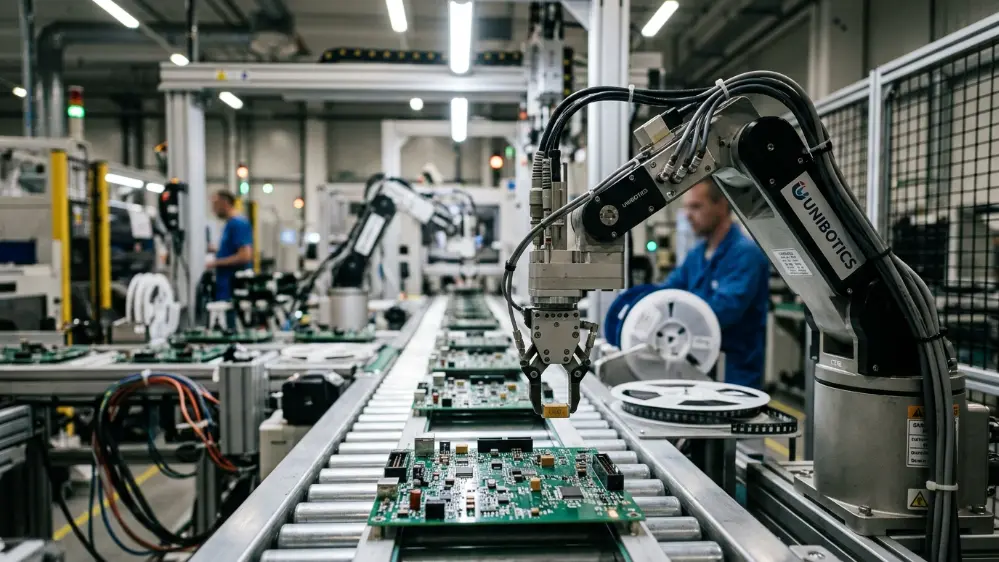
Foxconn, the manufacturer best known for building the majority of Apple’s hardware, has been reported as OpenAI’s production partner. Manufacturing was reportedly shifted away from an earlier supplier in China toward Foxconn, with production expected to take place in either the United States or Vietnam.
Early internal goals reportedly discussed production volumes in the tens of millions of units, similar in ambition to how a major smartphone launch would be planned, though those figures were set before the timeline slipped. Working with Foxconn specifically signals that OpenAI is planning for genuine mass market scale rather than a boutique, limited run product aimed only at early adopters. That’s a very different strategy from something like Humane’s AI Pin, which launched at a smaller scale and a much higher price point before struggling to find a sustainable audience.
Why OpenAI Wants to Build Hardware At All
It’s a fair question. ChatGPT already runs on every phone and computer people own. Why bother building a separate physical device?
The likely answer is control. Right now, OpenAI’s software runs on top of platforms owned by Apple and Google. Every interaction with ChatGPT on an iPhone happens inside Apple’s operating system, subject to Apple’s rules, app store policies, and default assistant settings, the same operating system now getting its own AI overhaul with Siri AI. Owning a piece of hardware would let OpenAI control the full experience from chip to interface to model, the same way Apple has always controlled its own stack, and the same reason Google has been folding Gemini into hardware categories far beyond phones, including the AI coaching layer inside the Fitbit Air.
Sam Altman has described the goal in fairly grand terms, comparing the ambition to the impact of the original iPhone, calling it the most “before and after” product of his life. Whether that ambition matches reality once the device actually ships is a separate question entirely, one we revisit in our wider look at Best AI Assistant Apps of 2026.
There’s also a defensive angle worth considering. If Apple and Google both continue folding increasingly capable AI assistants directly into their own operating systems, at some point that starts to threaten how essential a separate chatbot app feels to the average person. Owning hardware is one way OpenAI can make sure it isn’t simply reduced to an app competing for attention inside someone else’s platform.
The Competition Is Already Moving
OpenAI isn’t stepping into an empty market. Humane’s AI Pin, an earlier attempt at a similar screenless wearable concept, largely flopped after launch, serving as a cautionary tale about how hard this category actually is to get right. Reports on Humane’s device pointed to overheating issues, a confusing laser projected interface, and a price point that made it difficult to justify as an addition to a smartphone rather than a replacement for one.
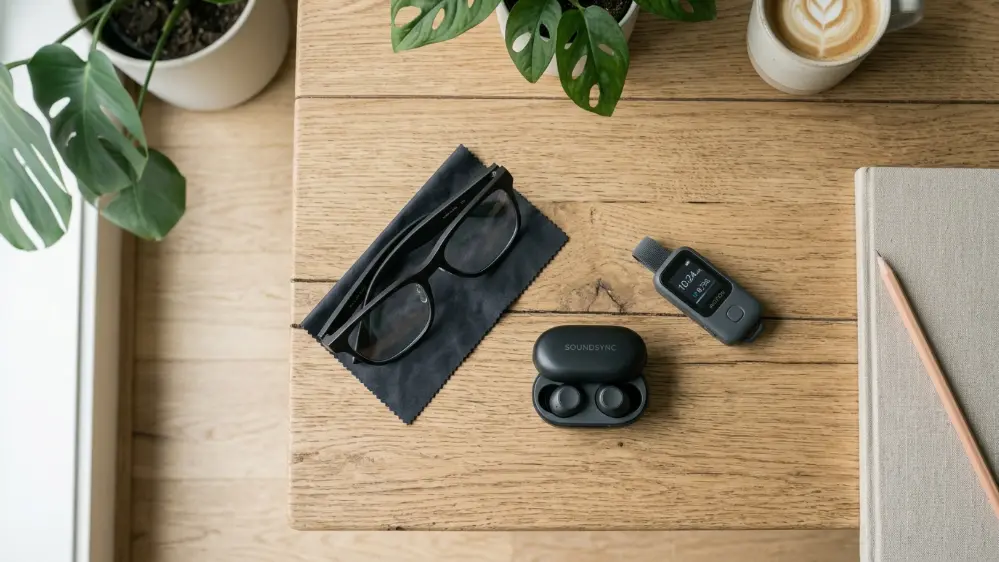
Meanwhile, Meta’s AI-enhanced smart glasses have reportedly captured a large majority of the current AI wearables market, and Google’s Gemini-powered ecosystem is expanding into more hardware categories by the month, the same trend covered in our comparison of Fitbit Air vs Oura Ring vs Whoop.
Qualcomm’s CEO has publicly predicted that AI-equipped glasses could reach 100 million units shipped annually within the next year or two, suggesting glasses, not pocket gadgets, may end up being the dominant form factor rather than whatever shape OpenAI eventually ships. That’s an important piece of context for anyone assuming OpenAI’s device is a guaranteed hit simply because of who’s designing it. Consumer hardware categories are genuinely difficult to predict, and having a famous designer involved doesn’t automatically guarantee the resulting product finds the audience it needs.
What This Could Mean for Smartphones
One question worth sitting with is whether a device like this is actually meant to replace parts of your smartphone experience, or simply add a new layer on top of it. Based on public comments from both Altman and Ive, the ambition seems to lean toward the former, at least eventually. The idea of a “calm” computing experience implies pulling certain interactions away from a screen entirely, things like quick reminders, casual questions, or ambient awareness of your surroundings, while leaving more visual, screen dependent tasks to your phone or computer.
Whether that vision actually changes daily habits at scale is a much harder question to answer in advance. Plenty of ambitious hardware concepts have promised to reduce screen time or replace certain phone habits, and most have ended up as a secondary accessory rather than a genuine replacement for anything. The honest answer right now is that nobody outside OpenAI knows for certain how deeply this device is meant to integrate into daily routines until an actual product ships and people get to use it.
Should You Wait for This?
If you’re the type of person who wants the newest thing the moment it exists, there’s genuinely nothing to buy yet. No price has been confirmed, no final design has been shown publicly, and the most credible shipping estimate is still roughly a year away. Everything currently circulating is based on leaks, court filings, and comments made at conferences rather than an actual product announcement.
That said, this is one of the more closely watched hardware projects in the industry right now, mostly because of who’s involved. Jony Ive’s track record speaks for itself, and OpenAI has more resources and cultural momentum behind it than almost any startup attempting a new device category has ever had. If you’re curious about AI hardware in general, it’s worth keeping an eye on this one, but there’s no need to hold off on other purchases in anticipation of a device that’s still over a year away at the earliest credible estimate.

Frequently Asked Questions
When is OpenAI’s AI device coming out? The most recent credible estimate, based on court filings, points to no earlier than the end of February 2027, later than OpenAI’s original second half of 2026 target.
What will OpenAI’s device be called? The original “io” branding has been abandoned due to a trademark dispute. No final product name has been announced yet.
How much will it cost? No official pricing has been confirmed. Some reports on an early smart speaker concept suggest a range between $200 and $300, but this has not been officially confirmed by OpenAI.
Will it have a screen? No. All reporting so far describes the device as screenless and voice first, intentionally avoiding the display-centric design of smartphones.
Is Jony Ive still involved with Apple? No. Ive left Apple years ago and now leads his own design studio, LoveFrom, while also taking on design leadership responsibilities at OpenAI following the io acquisition.
Why did OpenAI stop using the name “io”? A lawsuit from a separate startup called Iyo, which makes its own AI earbuds, led to a temporary restraining order over the “io” name, forcing OpenAI to drop the branding for its hardware division.
Will the OpenAI device replace my smartphone? Not likely, at least at first. Public comments from Sam Altman and Jony Ive suggest the device is meant to reduce reliance on screens for certain quick tasks, rather than fully replace a smartphone.