Ever been stuck with a dead phone and no outlet in sight? That’s exactly the problem a power bank solves. Whether you’re traveling, commuting, or just spending a long day away from home, a power bank is one of the most useful gadgets you can own.
In this guide, we’ll explain exactly what a power bank is, how it works, what the numbers mean, and how to pick the right one for you.
What is a Power Bank?
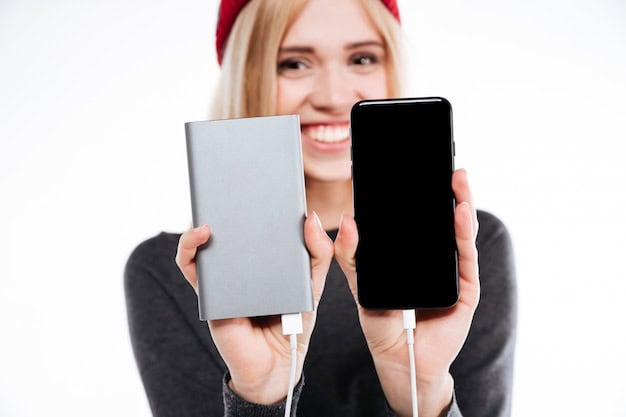
A power bank is a portable battery pack that stores electrical energy and lets you charge your devices like your phone, tablet, or earbuds anywhere, without needing a wall outlet.
Think of it as a giant battery in a box. You charge the power bank at home using a cable, and then carry it with you. When your phone runs low, you plug it into the power bank and it charges your device just like a wall charger would.
Power banks are also called portable chargers or external battery packs. They come in all sizes from slim ones that fit in your pocket to large ones that can charge a laptop.
They’re one of the most searched gadgets right now, and for good reason nearly everyone has experienced battery anxiety at the worst possible moment.
How Does a Power Bank Work?
The technology inside a power bank is straightforward:
- You charge the power bank: plug it into a wall outlet using its included cable (usually USB-C these days). This fills up the internal battery.
- You carry it with you: the power bank holds the stored energy until you need it.
- You plug in your device: connect your phone, earbuds, or tablet to the power bank using a charging cable.
- It charges your device: the power bank transfers its stored energy to your device’s battery.
That’s it. No complicated setup. No special apps. Just plug in and charge.
Key Features of a Power Bank
When you’re looking at power banks, here are the features that actually matter:
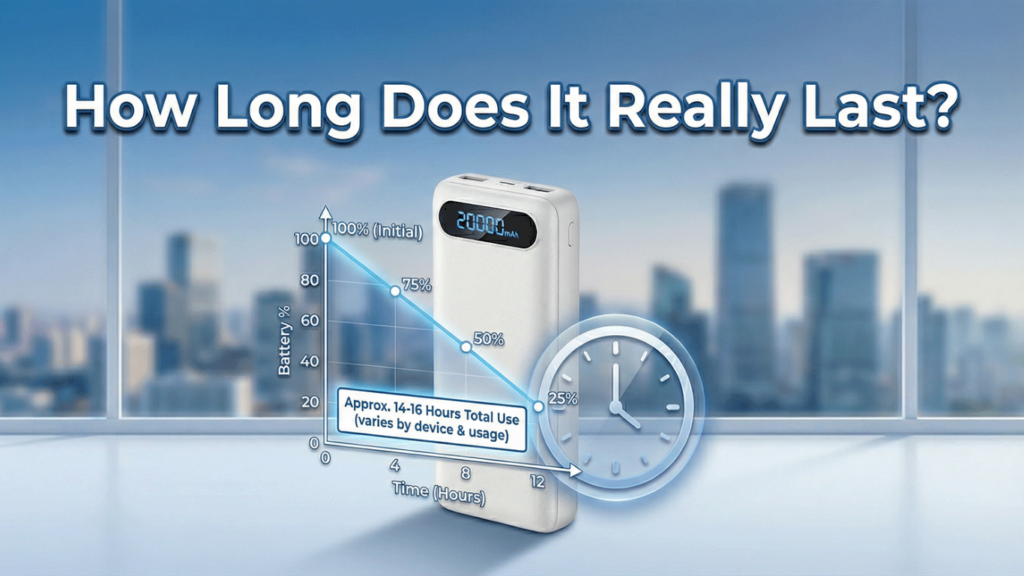
- Capacity (mAh): this is the most important number. It tells you how much energy the power bank stores. More mAh = more charges. A 10,000mAh bank typically gives your phone 2–3 full charges.
- Output ports: USB-A, USB-C, or both. More ports mean you can charge multiple devices at once.
- Input port: how you recharge the power bank itself. USB-C is now standard and fastest.
- Fast charging support: look for “18W”, “20W”, or “PD” (Power Delivery) if you want fast charging speeds.
- Size and weight: bigger capacity means more weight. A 20,000mAh bank is great for travel but heavy for daily carry.
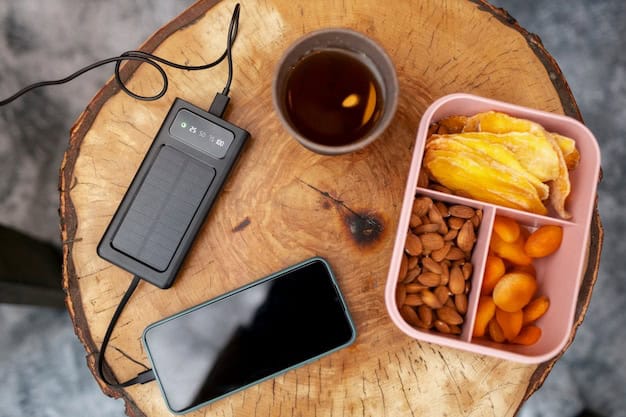
- LED indicator: most banks show remaining charge level via LED lights or a small display.
- Pass-through charging: some power banks let you charge the bank AND a device at the same time from one outlet.
What is a Power Bank Used For?
Here are the 5 most common real-world uses for a power bank:
1. Charging Your Phone While Traveling
This is the number one use. Long flights, road trips, theme parks, festivals anywhere you’re away from outlets for hours. A power bank keeps you connected all day without hunting for a charging station.
2. Keeping Your Earbuds and Wearables Topped Up
AirPods, Galaxy Buds, and smartwatches all drain fast. A small 5,000mAh power bank is perfect for topping up wearables throughout the day without carrying something bulky.
3. Emergency Backup at Events
Concerts, stadiums, and crowded venues are notorious for draining batteries (location services, camera use, and poor signal all kill battery faster). A power bank is essential for day-long events.
4. Charging Tablets and Laptops on the Go
Larger power banks (20,000mAh+) with USB-C Power Delivery can even charge laptops and iPads. Perfect for remote workers, students, and frequent flyers.
5. Camping and Outdoor Adventures
No outlets in the woods. A high-capacity power bank lets you keep your phone, GPS device, and headlamp charged during multi-day outdoor trips.

Understanding Power Bank Capacity (mAh Guide)
The mAh (milliamp-hour) rating is the single most important spec. Here’s a simple guide:
| Capacity | Best For | Approx. Phone Charges |
|---|---|---|
| 5,000 mAh | Light daily use | 1–1.5 charges |
| 10,000 mAh | Everyday carry | 2–3 charges |
| 20,000 mAh | Travel / long trips | 4–6 charges |
| 30,000 mAh+ | Laptops, multiple devices | 6–8+ charges |
Note: You won’t get 100% efficiency. Some energy is lost as heat during transfer, so expect about 70–80% of the listed capacity in real use.
Who is a Power Bank For?
A power bank is useful for almost everyone, but especially:
- Commuters: long daily travel drains batteries fast.
- Travelers: airports, long flights, and exploring new cities.
- Students: full days on campus without always finding an outlet.
- Remote workers: working from cafés, parks, or co-working spaces.
- Outdoor enthusiasts: hiking, camping, and festivals.
- Parents with kids: keeping family devices charged during outings.
Power Bank vs Wireless Charger vs Wall Charger
| Feature | Power Bank | Wireless Charger | Wall Charger |
|---|---|---|---|
| Portable | ✅ Yes | ❌ No | ❌ No |
| Needs outlet | ❌ No | ✅ Yes | ✅ Yes |
| Charging speed | Medium–Fast | Slower | Fastest |
| Best use | On the go | Bedside / desk | Home / office |
| Price range | $15–$80 | $10–$50 | $10–$40 |
How Much Does a Good Power Bank Cost?
You don’t need to spend a lot. Here’s a general price guide:
- Budget (under $20): basic 10,000mAh banks, slower charging, no fast charge. Fine for casual use.
- Mid-range ($20–$50): 10,000–20,000mAh, fast charging support, USB-C PD. Best value for most people.
- Premium ($50–$100+): 20,000mAh+, MagSafe wireless charging, laptop charging support. Great for heavy users and travelers.
Top reliable brands: Anker, Baseus, Mophie, Belkin, RAVPower.
Is a Power Bank Worth It?
Without a doubt, yes. A power bank is one of the cheapest, most practical gadgets you can buy. A good 10,000mAh bank costs less than a meal out and can save your day more times than you’d expect.
If you travel even occasionally or spend long hours away from home, it’s not optional it’s essential.
Our verdict: Buy a 10,000mAh power bank with USB-C PD support and keep it in your bag. You’ll thank yourself within the first week.
Frequently Asked Questions About Power Banks
Q: Can I take a power bank on a plane?
A: Yes, but with limits. Most airlines allow power banks in carry-on luggage only (not checked bags). Banks up to 100Wh (about 27,000mAh) are usually allowed without special permission. Always check your airline’s policy before flying.
Q: How long does it take to charge a power bank?
A: It depends on the capacity and charger. A 10,000mAh bank takes about 2–4 hours with a fast charger. A 20,000mAh bank can take 5–8 hours on a standard charger.
Q: Do power banks lose charge over time if not used?
A: Yes, most power banks lose about 1–2% charge per month when stored. If you haven’t used yours in a while, check the indicator lights and top it up before your trip.
Q: Can a power bank charge a laptop?
A: Some can. You need a power bank that supports USB-C Power Delivery (PD) at 45W or higher, and a capacity of at least 20,000mAh. Check your laptop’s charging requirements first.
Q: Is it safe to charge my phone overnight with a power bank?
A: Modern power banks have overcharge protection that stops charging when your device is full. It’s generally safe, but most brands still recommend not leaving it unattended for very long periods.
Q: What does “fast charging” mean on a power bank?
A: Fast charging means the power bank can deliver more watts (power) to your device, so it charges faster. Look for 18W, 20W, or 45W PD support. Your phone must also support fast charging for it to work.
Conclusion
So, what is a power bank? It’s a portable battery that keeps your devices charged wherever you go. Whether you’re on a flight, hiking a trail, or just stuck in a long day of meetings, a power bank gives you the freedom to stay connected without chasing outlets.
Pick one with at least 10,000mAh, USB-C PD support, and a trusted brand and you’re set.