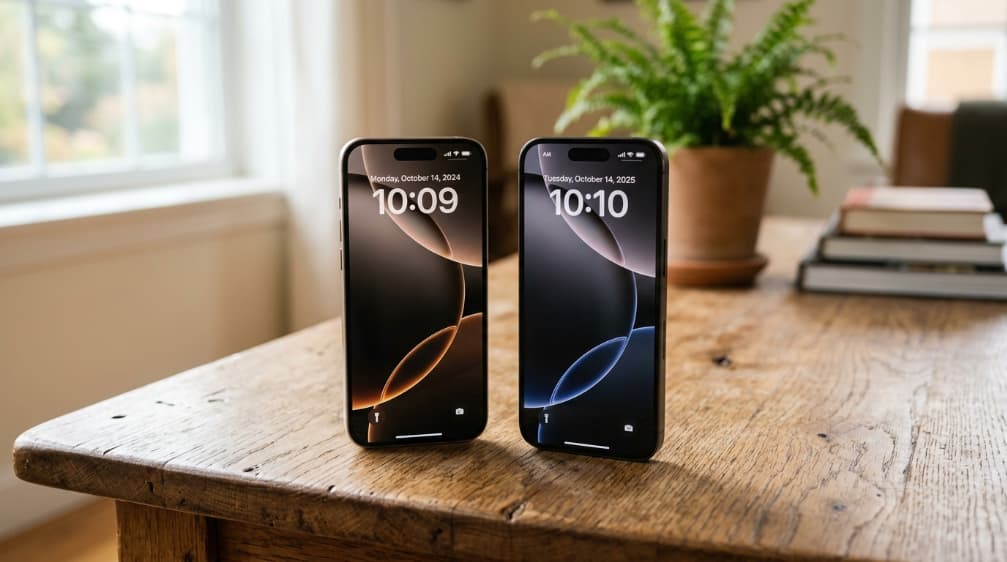
This is genuinely one of the most practical questions anyone shopping for a new iPhone right now can ask, and the honest answer depends heavily on which iPhone you’re currently using. Rather than giving a vague “it depends” and moving on, here’s a straightforward breakdown based on what’s actually changing between generations, not just marketing language.

What’s Actually Different Between the iPhone 17 and iPhone 18
Starting with the Pro models, since that’s where most of the real changes are concentrated. The iPhone 18 Pro and Pro Max are expected to run Apple’s new A20 Pro chip, built on a 2 nanometer process for the first time, a genuine architectural jump from the 3 nanometer A19 used in the current iPhone 17 Pro line. Early estimates point to roughly 15 percent faster performance and about 30 percent better power efficiency, which should translate into real, if not dramatic, day to day improvements in battery life and app responsiveness.
The Dynamic Island is also reportedly shrinking, with Apple moving the flood illuminator sensor underneath the display, reducing the visible cutout to around 13.49mm. It’s a genuinely visible change if you’re someone who looks at your phone’s front all day, though it doesn’t change functionality.
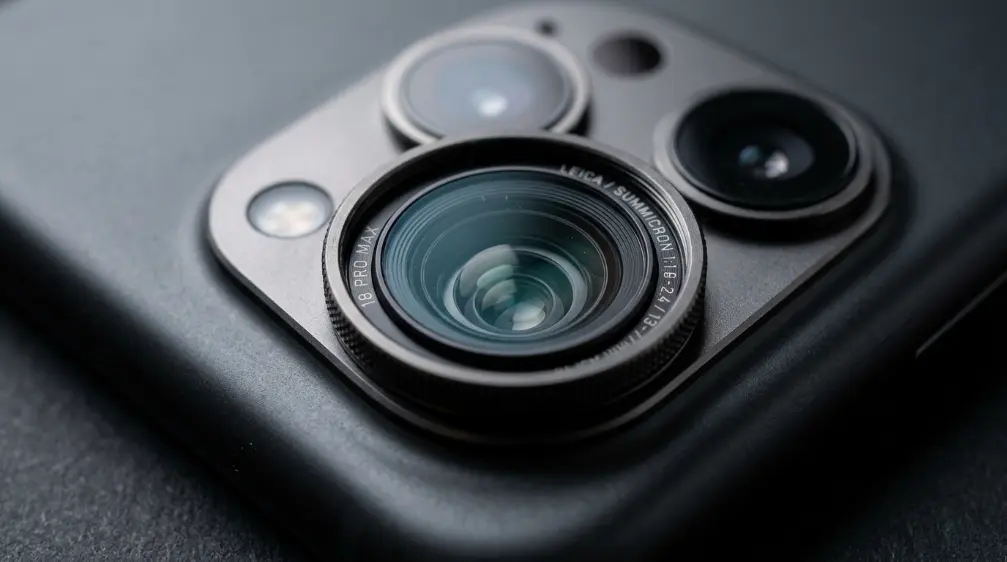
Camera wise, the iPhone 18 Pro is expected to add a variable aperture lens on the main camera, adjusting how much light reaches the sensor for better background blur and improved low light shots. That upgrade comes with a real physical tradeoff though, since leaked dummy models show a noticeably thicker camera module to accommodate it.
If You Currently Own an iPhone 17 or 17 Pro
If your current phone is working well and you’re not experiencing any specific frustrations, waiting is the more sensible call. The chip and camera improvements this generation are real but incremental rather than transformative, and with pricing rumors pointing to a possible increase of $200 to $300 on the Pro models, the cost of upgrading annually has gone up meaningfully compared to previous years.
The one exception worth considering is if you’re someone who genuinely relies on the newest camera capabilities for work or content creation. The variable aperture lens is a legitimately new feature, not just a marginally better sensor, and if that kind of creative control matters to your workflow, it’s a reasonable justification to upgrade even from a phone as recent as the 17 Pro.
If You’re Coming From an iPhone 15 or Older
This is where the upgrade case gets genuinely strong, and it’s not just about wanting the newest features. Industry analysts have specifically flagged that a large share of iPhones shipped since 2022 don’t meet the hardware requirements needed to run Apple’s newer Siri AI features properly. If you’re on an iPhone 15 or earlier, there’s a real functional gap opening up between what your current phone can do and what a modern iPhone offers, separate from just camera quality or raw speed.
Battery health is another practical factor. By the time an iPhone reaches three or more years of regular use, battery capacity has typically degraded enough that even a same day charge can feel tight for heavy users. Combined with the AI feature gap, upgrading from something this old to an iPhone 18 Pro or Pro Max should feel like a genuine leap rather than a marginal refresh, even setting aside whatever specific new features Apple announces in September.
Weighing the Price Increase Against Waiting
This year’s pricing situation deserves its own consideration separate from the hardware itself. Earlier analyst reports in 2026 suggested Apple might hold pricing flat despite rising memory and chip costs, absorbing the difference rather than passing it on to consumers. That optimism faded as the year went on, and current estimates point to a real increase, potentially $200 to $300 more than the equivalent iPhone 17 Pro models.
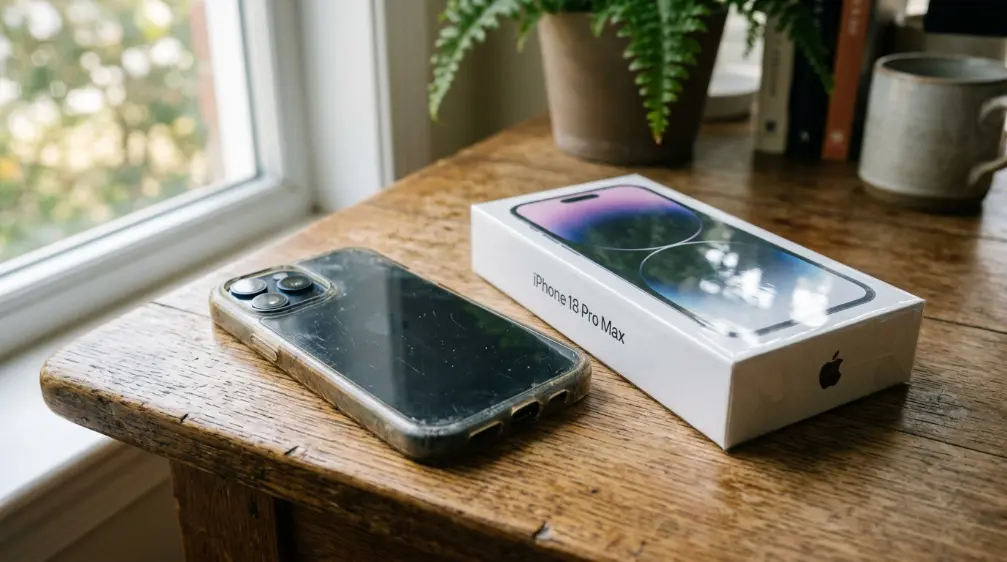
If that price jump genuinely changes your calculation, there’s no shame in sticking with the iPhone 17 for another cycle, especially since Apple typically continues selling the previous generation at a reduced price once the new lineup launches. Buying last year’s Pro model at a discount is often a smarter financial move than paying full price for the newest chip, particularly if the year over year performance gap doesn’t meaningfully affect how you actually use your phone.
Why Annual Upgrades Have Become a Harder Sell
There’s a broader trend worth acknowledging here, separate from anything specific to this particular generation. Smartphone improvements year over year have genuinely slowed across the entire industry compared to a decade ago, when jumps in camera quality, screen technology, and processing power were dramatic enough that skipping even one generation felt like falling noticeably behind. Today, most of the meaningful improvements happen in smaller increments spread across two or three generations rather than concentrated into a single yearly leap.
That shift explains why upgrade cycles have naturally stretched out for a lot of buyers, with people holding onto phones for three, four, or even five years rather than the two year cycle that was once common when carrier subsidies and more frequent hardware jumps made annual upgrades feel routine. If you’re someone who used to upgrade every year almost automatically, it’s worth recognizing that this pattern has genuinely lost some of its practical justification, and skipping a generation or two doesn’t carry the same functional penalty it once did.
A Closer Look at the Camera Difference
Since the camera is one of the more tangible changes this generation, it’s worth spending more time on what the variable aperture lens actually does in practice, rather than just naming the feature. A traditional smartphone camera lens has a fixed aperture, meaning the amount of light let into the sensor is constant regardless of shooting conditions, with software compensating for bright or dim environments. A variable aperture, borrowed conceptually from dedicated cameras, allows the physical opening to widen or narrow depending on the shot, giving photographers more natural control over depth of field and background blur without relying entirely on computational tricks.
In practical terms, this should mean more convincing background blur in portrait style shots, better performance in genuinely challenging lighting without the sometimes artificial look computational photography can produce, and generally more flexibility for anyone who cares about the creative side of phone photography rather than just pointing and shooting. Whether casual users notice or care about this difference is a fair question, and it’s likely one of those features that matters enormously to a smaller group of enthusiasts while going largely unnoticed by the average buyer.
Understanding Battery Health and When It Actually Matters
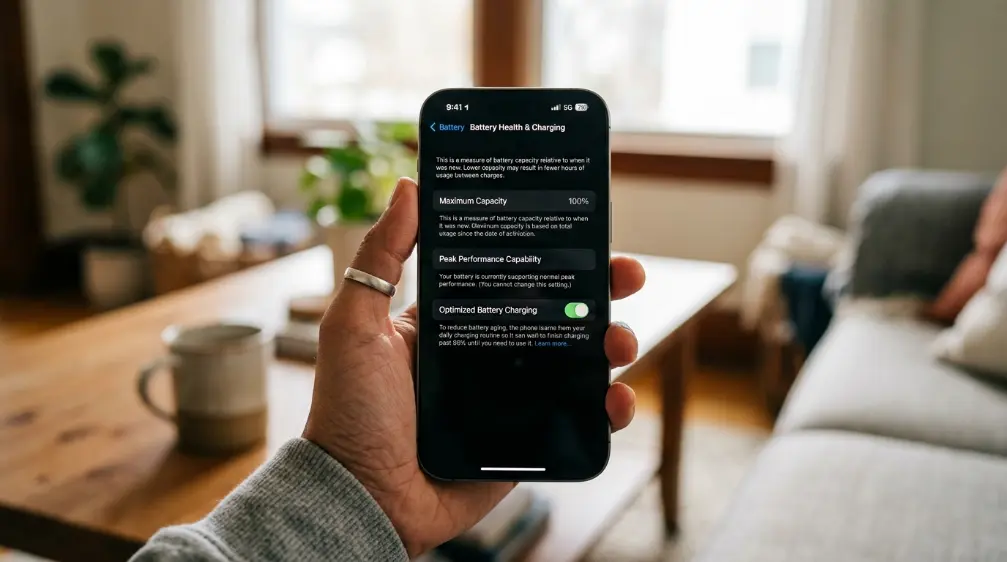
Battery health is one of the most concrete, measurable ways to evaluate whether an upgrade is genuinely necessary rather than simply desired. You can check your current iPhone’s battery health directly in Settings, under Battery, then Battery Health and Charging. Apple displays this as a percentage of the phone’s original maximum capacity. Once that number drops into the 80s, most users start noticing real world effects, including faster battery drain, occasional unexpected shutdowns under heavy use, and reduced performance during demanding tasks as the phone throttles itself to protect the aging battery.
If your current phone’s battery health is still comfortably above 85 to 90 percent, that’s a reasonably strong signal you don’t have an urgent hardware reason to upgrade yet, regardless of how appealing new features sound. If it’s dropped meaningfully below that threshold, particularly alongside noticeable daily frustration, that’s a much more concrete justification for upgrading now rather than waiting purely to save money.
How Trade-In Value Factors Into the Wait or Buy Decision
One factor that often gets overlooked in these upgrade debates is how trade-in value changes the actual cost difference between buying now versus waiting. If you’re planning to trade in your current phone regardless of timing, waiting for the iPhone 18 generation specifically to trade in an iPhone 17 rather than jumping straight from something older means you’re giving up whatever additional value an iPhone 17 currently holds, in exchange for potentially higher trade-in value once the 18 generation makes the 17 look comparatively older. This calculation rarely tips the scale entirely on its own, but it’s worth factoring in if you’re trying to minimize total cost across an upgrade cycle rather than looking at each purchase in isolation.
The Psychological Pull of a New Product Launch
It’s worth being honest about a factor that’s genuinely psychological rather than technical. New product launches, backed by polished marketing and enthusiastic early coverage, naturally create a sense of urgency that doesn’t always match the actual, measurable improvements involved. This isn’t a criticism of Apple specifically, since every major tech company relies on this same basic dynamic to drive interest in yearly product cycles.
Recognizing this pull for what it is doesn’t mean the iPhone 18 isn’t genuinely worth buying for plenty of people. It simply means separating the excitement of a launch event from a clear eyed assessment of whether your specific situation calls for an upgrade right now is a useful mental exercise, one that can save real money for anyone who finds themselves upgrading more out of habit or launch day excitement than genuine need.
What Third Party Reviewers Typically Get Right and Wrong at Launch
Initial reviews published in the days immediately surrounding an iPhone launch are useful for confirming basic specs and first impressions, but they’re rarely the best source for understanding a phone’s real world reliability or how well new features actually hold up under sustained daily use. Battery life claims in particular often look better in initial reviews, conducted over a few days with a fresh, uncycled battery, than they do months later once a battery has gone through hundreds of charge cycles under normal ownership conditions.
If you’re not in a rush, waiting a month or two past the initial launch date to read follow up coverage and real owner feedback, rather than relying solely on day one reviews, generally gives a more accurate picture of how the iPhone 18 Pro Max actually performs once the initial excitement settles and people have lived with the device long enough to notice genuine strengths and weaknesses.
How Regional Pricing and Availability Affect the Decision
It’s worth noting that the upgrade calculation doesn’t look identical everywhere. In markets outside the US, currency fluctuations, import taxes, and local carrier subsidy structures can make the effective price gap between the iPhone 17 and iPhone 18 meaningfully different than what US pricing headlines suggest. Some regions see new iPhone generations priced at a smaller relative premium due to how local taxes are structured, while others see the gap widen considerably once local import duties are factored in. If you’re outside the US specifically, checking local pricing once Apple’s official announcement lands, rather than assuming US dollar figures translate directly, is a worthwhile step before finalizing your decision either way.
Setting a Personal Upgrade Budget Rule
One practical strategy that helps remove some of the emotional decision making from this process is setting a personal rule ahead of time, before pricing and marketing are actually in front of you. Something as simple as deciding you’ll only upgrade if your current phone’s battery health drops below a specific percentage, or if a new feature solves a problem you’ve actually experienced rather than one you’re imagining you might have, can meaningfully reduce impulse upgrades driven purely by launch excitement. This kind of pre-commitment device works well specifically because it’s decided in a calm moment rather than during the heightened attention of a keynote event or a flood of glowing initial reviews.
Final Recommendation
Pulling everything together, the most defensible general guidance is this. Owners of an iPhone 17 or 17 Pro in good working condition should feel comfortable waiting at least one more cycle unless the variable aperture camera specifically matters to their work or hobbies. Owners of an iPhone 15 or older should treat this as a genuinely reasonable time to upgrade, given the combination of AI feature support and likely battery degradation at that age. And anyone genuinely undecided should use the three question framework covered earlier as a practical filter rather than defaulting to either impulse buying or indefinite waiting.
A Final Word on Buyer’s Remorse
Whichever way you decide, it’s worth acknowledging that some degree of second guessing is normal after any significant purchase decision, especially with annual product cycles that guarantee something newer is always just a year away. The healthiest approach is making your decision based on your actual current needs and budget, then genuinely committing to that choice rather than continuing to track every subsequent leak about the next generation. A phone bought thoughtfully based on real need will serve you well regardless of what Apple announces the following year, and constantly comparing your existing device against an ever moving target of newer releases is a reliable way to feel perpetually behind, no matter what you actually own.

If you’re still unsure, ask yourself three questions. Is your current phone’s battery genuinely struggling to get through a full day? Are you missing out on Apple Intelligence or Siri AI features because your phone doesn’t support them? Does the camera specifically limit something you actually do regularly, whether that’s photography, video, or work related tasks? If you answered yes to any of these, upgrading now makes sense. If none of these apply and you’re just curious about new specs, waiting costs you nothing and likely saves you money.
For anyone specifically curious about trading in an older device to offset the cost either way, our guide to iPhone 18 Pro Max trade-in deals breaks down how to get the most value out of whatever you’re currently carrying.
Frequently Asked Questions
Is it worth upgrading from the iPhone 17 to the iPhone 18? For most iPhone 17 Pro owners, the changes are real but incremental. It’s a stronger case if you specifically want the new variable aperture camera or need the latest chip for demanding tasks.
Should I buy the iPhone 17 now instead of waiting? If your current phone is several years old and struggling with battery life or AI feature support, buying now with the iPhone 17, or waiting a short time for the iPhone 18, both make sense depending on urgency.
How much more expensive is the iPhone 18 Pro expected to be? Current estimates point to a possible $200 to $300 increase over the iPhone 17 Pro’s starting price, driven largely by rising memory and chip production costs industry wide.
What’s the biggest reason to upgrade from an older iPhone? Beyond camera and speed improvements, a significant share of iPhones from 2022 and earlier don’t support newer Siri AI features, creating a real functional gap for anyone on older hardware.
Does Apple still sell the previous iPhone generation after a new launch? Yes, typically at a reduced price, which often makes buying the outgoing Pro model a better financial decision than paying full price for the newest chip if the differences don’t meaningfully affect your daily use.
How do I check my current iPhone’s battery health? Go to Settings, then Battery, then Battery Health and Charging. If the percentage has dropped into the 80s or below, that’s a reasonably strong signal an upgrade may genuinely help rather than just being a nice to have.
Have smartphone upgrades genuinely slowed down compared to a decade ago? Yes. Year over year improvements are smaller and more incremental than they used to be, which is part of why skipping one or two generations no longer carries the same functional penalty it once did.