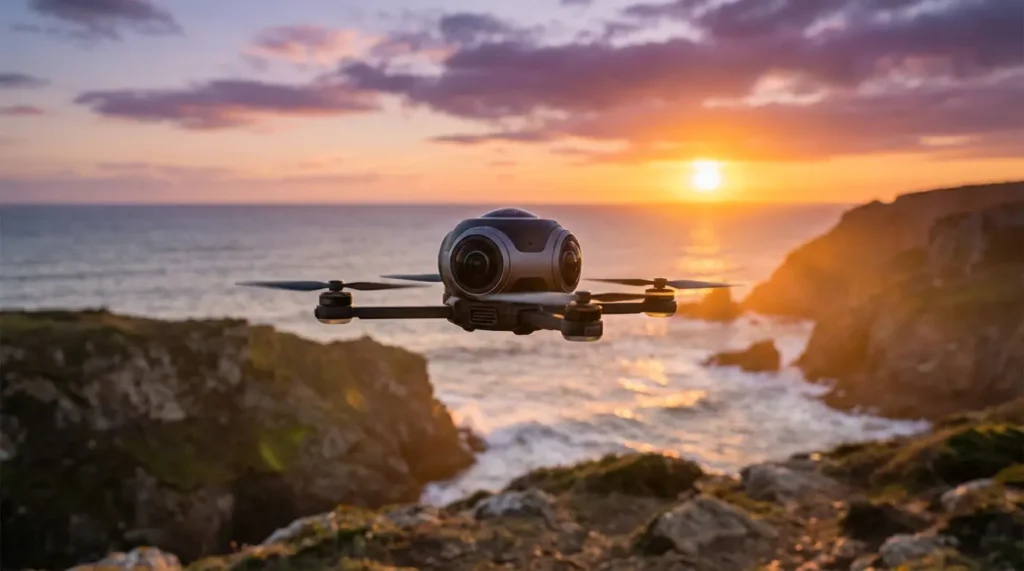
If you’ve spent any time browsing drone videos lately, you’ve probably noticed footage that looks completely different from the usual smooth aerial shots. The camera seems to spin around impossible angles, sometimes even showing the drone itself flying through the frame. That’s not clever editing. It’s a 360 drone, and it’s quickly become one of the more talked about categories in consumer drones this year.
So what is a 360 drone exactly, and why are people suddenly paying attention to a category that barely existed a couple of years ago. This guide breaks down how these drones actually work, what makes the footage possible, and whether one is actually worth buying over a traditional drone.
What Is a 360 Drone, in Simple Terms
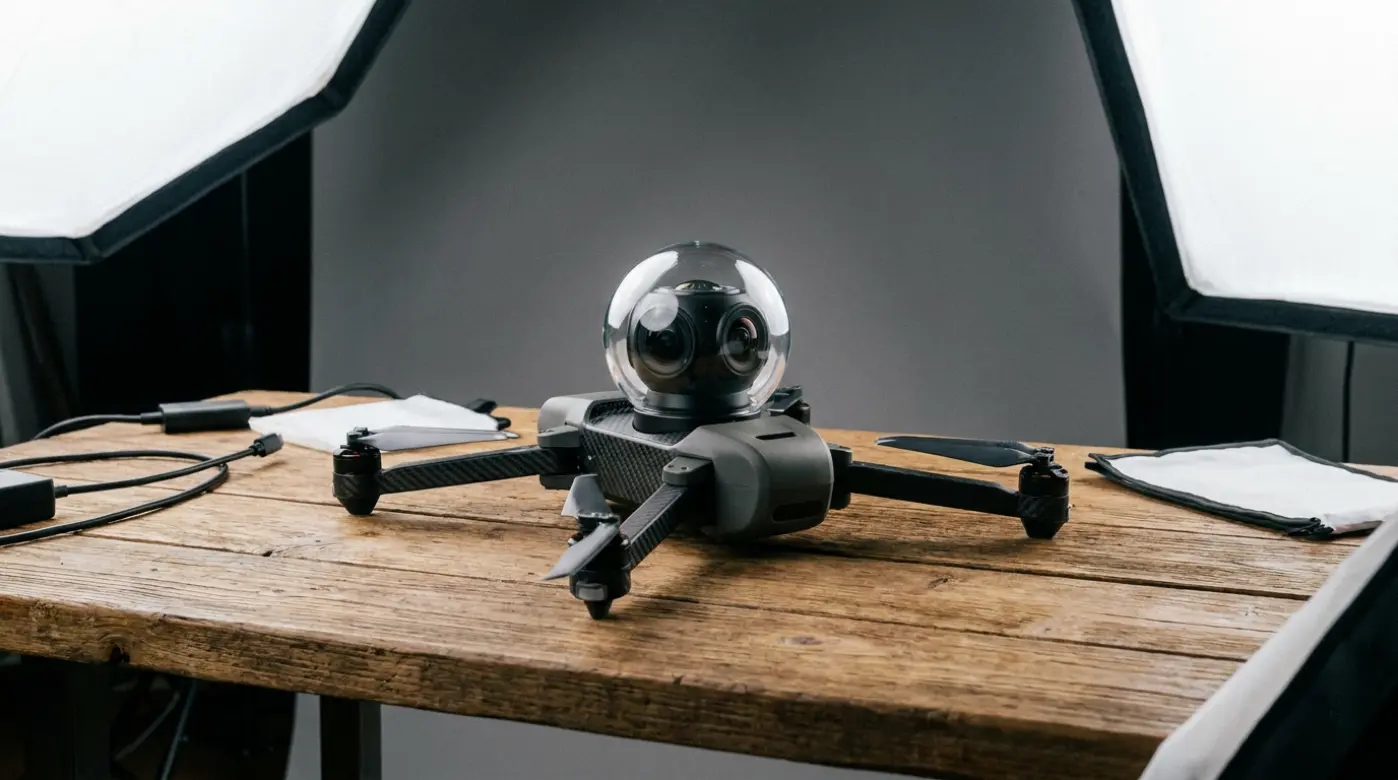
A 360 drone is a flying camera that captures footage in every direction at once, rather than pointing a single lens forward or downward the way traditional drones do. Instead of one camera aimed at a subject, a 360 drone uses two or more wide angle lenses positioned to capture the entire sphere around the drone simultaneously.
Once that footage is recorded, you can go back afterward and choose exactly where the camera should point in any given moment, essentially reframing your shot after you’ve already landed. This is a fundamentally different way of shooting compared to a regular drone, where you have to get the angle right while the drone is actually in the air.
Think of it like the difference between taking a single photo of a specific view versus taking a photo that captures an entire room, then deciding afterward which part of that room you actually want to look at.
How the Camera System Actually Works
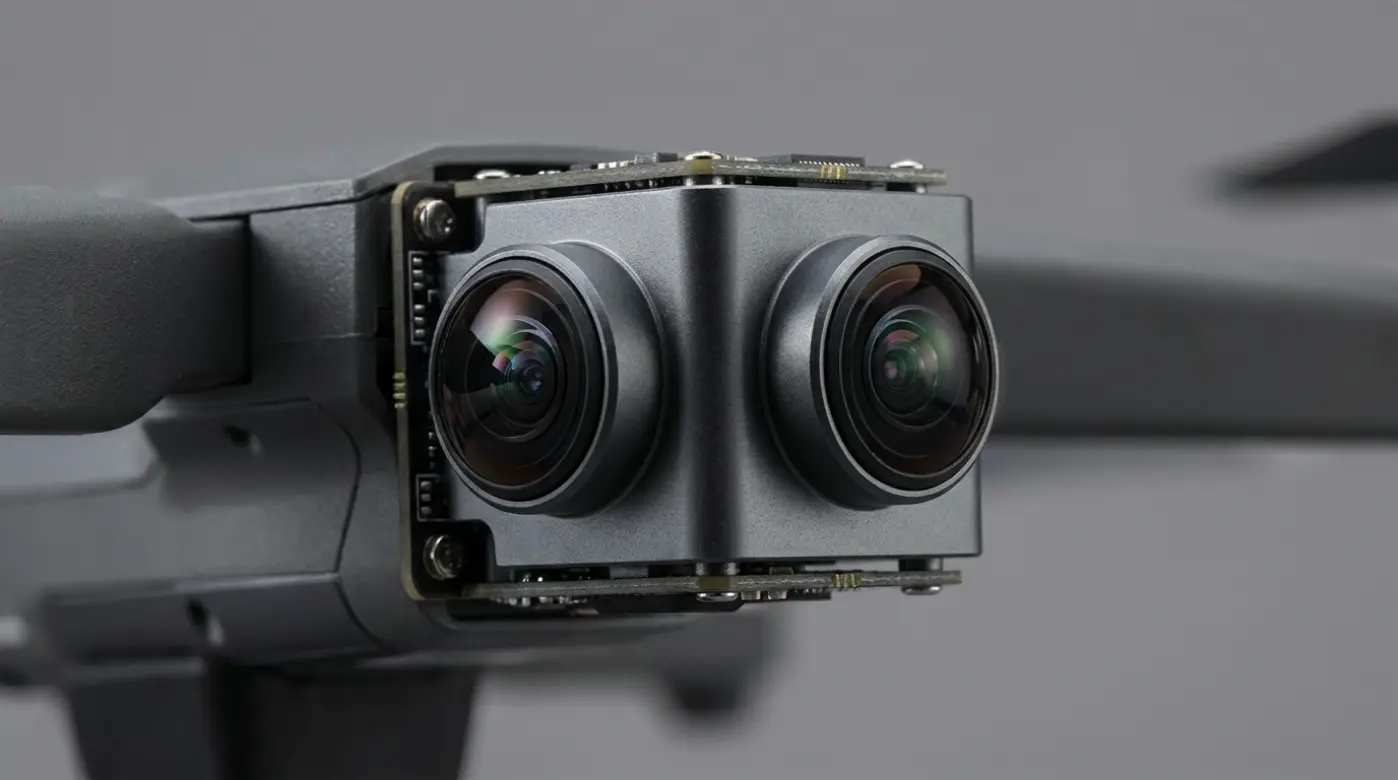
Most 360 drones use two ultra wide angle lenses mounted on opposite sides of the camera housing, each capturing more than 180 degrees of the scene. When the footage from both lenses is combined through a process called stitching, it creates one continuous sphere of video with no gaps.
This stitching process used to require separate software and a lot of manual work, but current 360 drones handle it automatically, either directly on the drone or through the connected mobile app shortly after the flight. The result is a single video file that a pilot can then explore afterward, essentially becoming their own camera operator after the fact rather than during the actual flight.
The sensors used in these dual lens setups have improved significantly, with recent models using larger one inch sensors on each lens specifically to keep image quality high even though the footage is being split across two wide angle cameras rather than one standard lens.
Why Reframing After Landing Actually Matters
This is really the core reason people are drawn to this category. Flying a drone well while also getting the perfect camera angle at the exact right moment is genuinely difficult, even for experienced pilots. You’re managing altitude, speed, obstacles, and framing all at once, and it’s easy to miss the shot you wanted simply because you were focused on not crashing.
A 360 drone removes that pressure almost entirely. Since the camera captures everything around the drone regardless of which direction you happen to be looking, you can fly more naturally and worry about the actual framing and creative decisions later, sitting comfortably at a desk rather than trying to nail everything in the moment mid flight.
This has made the category particularly appealing to less experienced pilots who want cinematic looking footage without years of practice perfecting their in flight camera control.
What the Footage Actually Looks Like When You Watch It
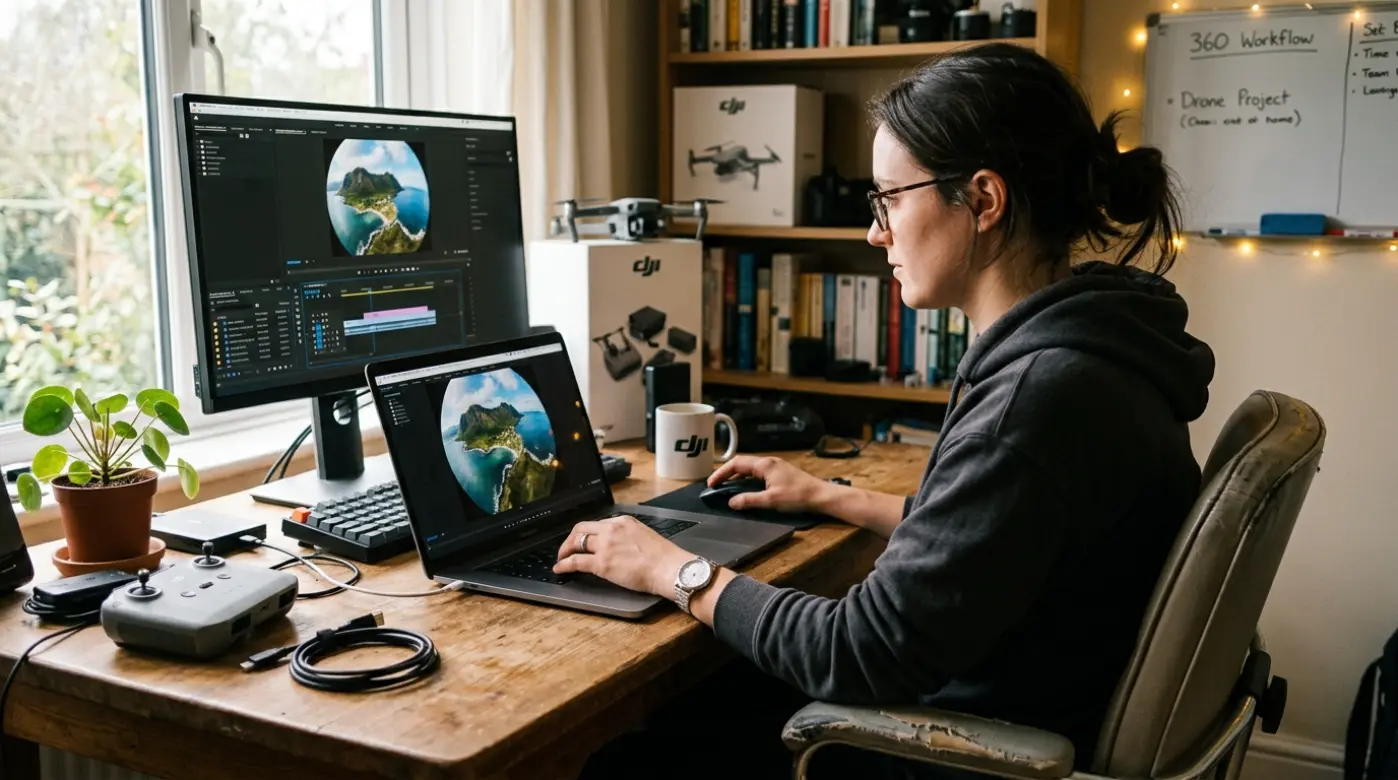
Once you’ve captured 360 footage, you use an app or editing software to choose your viewing angle for each part of the clip. This means a single flight can produce multiple completely different looking videos depending on which direction you decide to focus on during editing. You might create a dramatic reveal shot where the camera appears to spin around a subject, or a simple straightforward shot pointed at the horizon, all pulled from the exact same original recording.
Some 360 drones also support unusual effects that weren’t really possible with traditional drones, like having the footage appear to show the drone itself flying through the shot, since the camera captured the drone’s own body from another angle during the sphere capture.
This flexibility is genuinely the biggest selling point of the entire category, and it’s a big part of why interest in 360 drones has grown quickly among content creators who post frequently and want variety without needing multiple flights to get different angles.
How 360 Drones Compare to Regular Drones
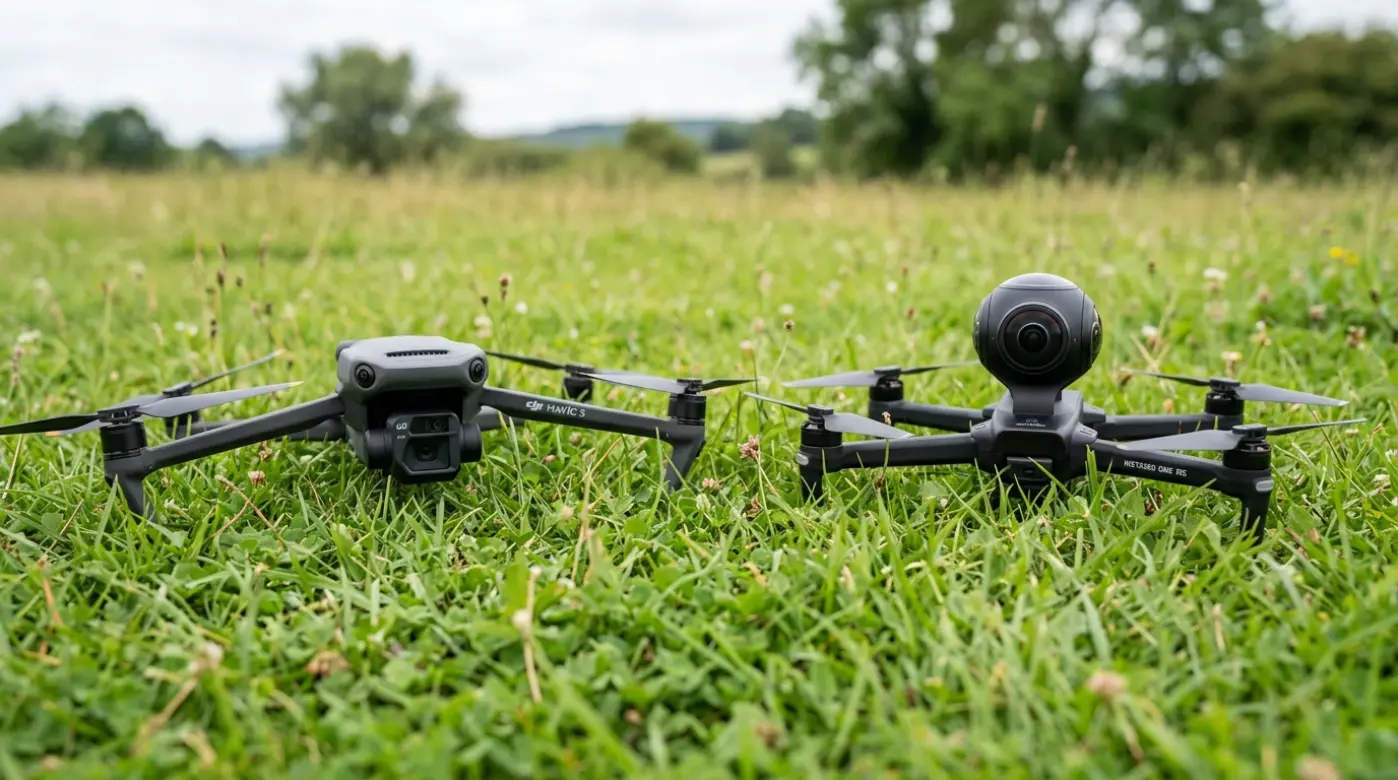
A traditional drone uses a single camera on a gimbal, a stabilizing mount that keeps the shot smooth as the drone moves. You control exactly where that camera points in real time, which gives you precise, intentional control over your shot while flying, but it also means you only get one angle per flight unless you fly the same path multiple times.
A 360 drone trades that real time precision for flexibility after the fact. You’re not choosing your exact angle while flying, but you’re guaranteed to have footage from every direction to choose from afterward. Neither approach is strictly better. It really comes down to whether you prefer nailing a specific shot live, or having more raw material to work with during editing.
Flight time and size are usually fairly similar between the two categories at a given price point, though some 360 drones run slightly less efficient due to the extra processing power needed to handle stitching two video streams simultaneously.
Who Actually Benefits From a 360 Drone
This category tends to appeal most to a specific type of user. Content creators who post regularly and need a steady supply of varied footage get real practical value from being able to pull multiple different shots out of a single flight, saving time compared to planning and flying several separate passes with a traditional drone.
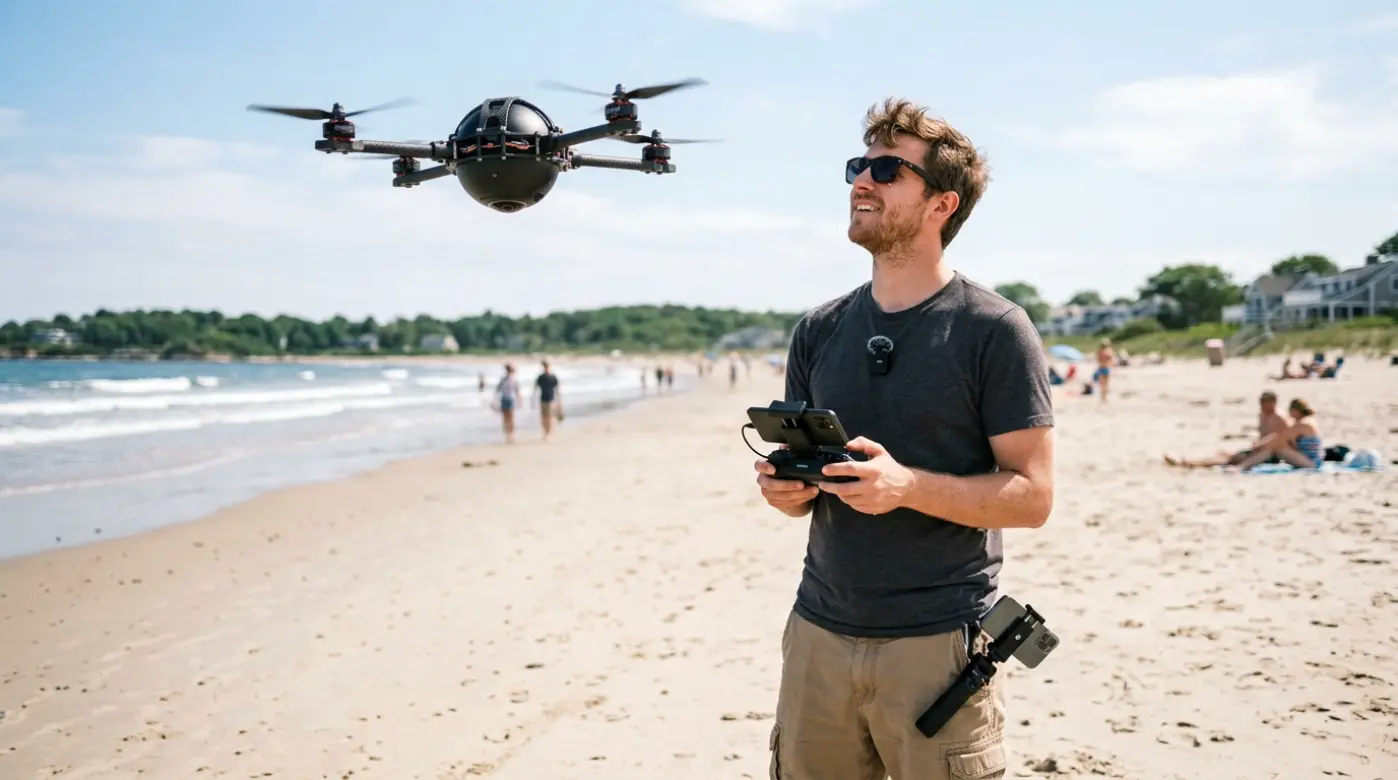
Travel vloggers and hobbyist filmmakers also gravitate toward 360 drones specifically because they remove the pressure of getting the perfect angle during a short flying window, which matters a lot when you’re trying to capture a moment quickly before conditions change or you run out of battery.
On the other hand, professional cinematographers working on projects that require very specific, intentional camera movement often still prefer traditional gimbal drones, since that format gives them tighter control over exactly how a shot should look, rather than deciding after the footage is already captured.
Battery Life and Practical Flight Considerations
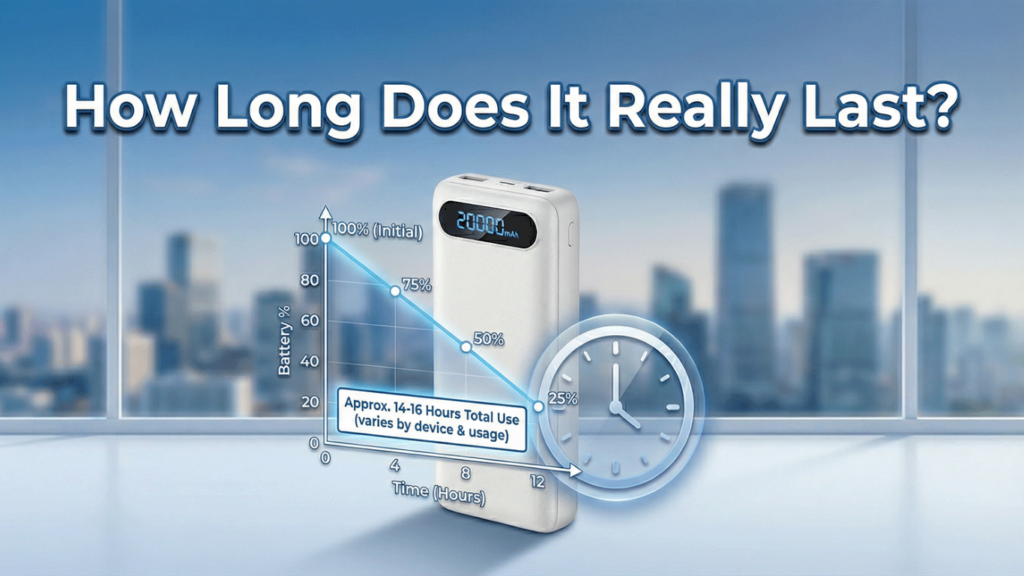
Because 360 drones are processing two video streams from separate lenses at once, they tend to draw slightly more power during flight compared to a similarly sized traditional drone. Most current models offer somewhere between eighteen and thirty minutes of flight time per battery, which is roughly in line with mainstream consumer drones overall, though checking the specific rating for a model rather than assuming is always worth doing before a trip.
Since the appeal of these drones is largely about capturing continuous, flexible footage, it’s worth carrying a couple of spare batteries if you’re planning a full day of shooting, since running out of power mid flight means losing the chance to capture that particular moment from every angle.
File Sizes and Storage to Expect
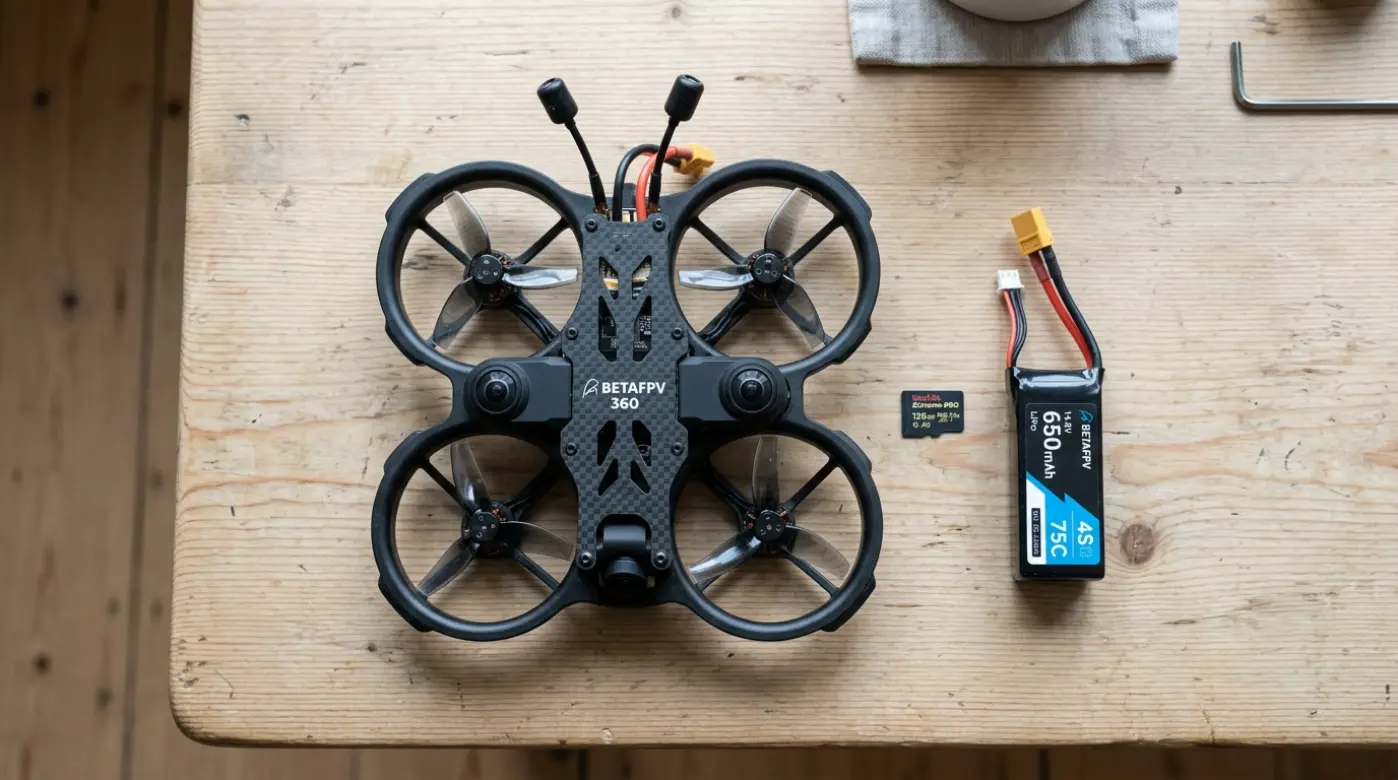
Capturing footage from multiple lenses simultaneously, especially in high resolution, produces noticeably larger file sizes compared to standard single lens drone footage. A short flight can easily produce several gigabytes of raw footage once everything is stitched together, particularly if you’re recording in a higher resolution setting.
This is worth planning for ahead of time, both in terms of the storage card you use in the drone itself and the space available on your laptop or phone for editing afterward. Investing in a larger, faster storage card specifically rated for high bitrate video recording avoids frustrating dropped frames or corrupted files partway through a longer flight.
What to Look for Before Buying One
If you’re considering buying your first 360 drone after learning what is a 360 drone and how it works, a few practical details matter more than raw specs alone.
Check the actual sensor size used in each lens, since larger sensors generally produce noticeably better footage in lower light conditions like early morning or sunset shoots, which happen to be popular times for this kind of footage. Look closely at how the stitching is handled, since some models process this automatically on the drone itself while others require you to run the raw footage through separate software afterward, which adds extra editing time.
It’s also worth checking how intuitive the reframing process is in the companion app, since a drone that captures great 360 footage isn’t very useful if the editing process to actually use that footage is confusing or overly complicated for a casual user.
Finally, consider your actual use case honestly. If you mostly want simple, straightforward aerial shots for personal memories, a traditional drone might actually serve you better and cost less, while a 360 drone makes more sense if you specifically want the creative flexibility of choosing your shot after the flight is already over.
Weather and Flying Conditions to Keep in Mind
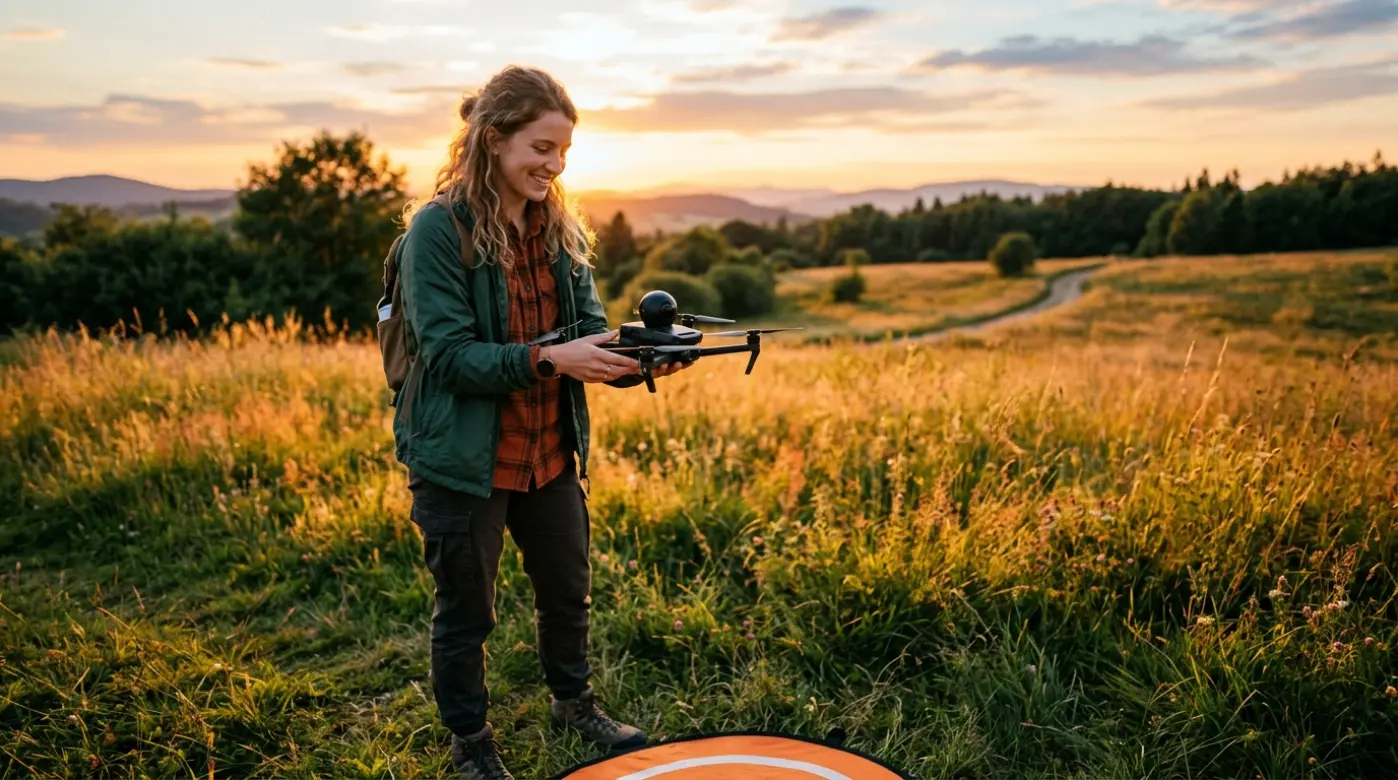
Like any consumer drone, wind and weather have a real effect on flight quality, and this matters slightly more with 360 drones since the entire surrounding environment is being recorded rather than just the direction you happen to be pointing. Strong wind can cause visible instability that stabilization software has to work harder to smooth out, and in more extreme cases can push footage quality below what you’d get on a calmer day even with good editing afterward.
Golden hour, the period shortly after sunrise or before sunset, tends to produce some of the most popular 360 drone footage because of the soft, warm lighting and long shadows, though it also means flying in lower light conditions where sensor quality becomes more important to final image sharpness. Checking wind speed forecasts and general flying conditions before heading out saves a wasted trip and helps set realistic expectations for how the footage will turn out.
Is a 360 Drone Worth Buying Right Now
The category has matured quickly, and current models produce genuinely impressive footage compared to the earlier versions from just a couple of years ago. For anyone who creates content regularly and wants more flexibility without spending extra time planning multiple flights to get different angles, a 360 drone is a genuinely useful tool worth the investment.
For casual flyers who mostly want a few nice aerial shots of a vacation or a family event, the added cost and slightly steeper learning curve around editing 360 footage might not be worth it compared to a simpler traditional drone that produces a ready to share video straight out of the camera.
Either way, understanding what is a 360 drone and how differently it captures footage compared to a regular drone puts you in a much better position to decide which category actually fits how you plan to use it.
Common Editing Techniques Once You’re Back Home
Once footage is loaded into the companion app or a desktop editor, there are a handful of shot styles that have become popular specifically because of how 360 drones capture footage. One of the most common is the reveal shot, where the video starts pointed at one subject before smoothly rotating to reveal something unexpected behind or above the drone, an effect that would require careful manual piloting to pull off with a traditional single lens drone.
Another popular technique is the tiny planet effect, where the entire spherical footage is compressed into a single circular frame that makes the landscape below look like a small curved planet. This has become a recognizable visual style on social media specifically because it’s only possible with footage that captures a genuinely complete sphere around the camera.
Simple horizon tracking is also common, where editors choose a stable, level angle throughout the clip for a more traditional looking aerial video, essentially using the 360 capture as a safety net that guarantees a good angle exists somewhere in the footage even if the drone wasn’t perfectly oriented during the actual flight.
Stabilization and Why 360 Footage Often Looks So Smooth
One side benefit of 360 capture that surprises a lot of new users is how stable the final footage looks, even from a drone that wasn’t flown with perfectly steady hands. Since the final viewing angle is chosen after the flight rather than locked in during recording, software can apply stabilization corrections across the entire sphere of footage, effectively smoothing out small wobbles or sudden movements that would be very noticeable on a traditional single lens recording.
This is part of why 360 drones have become popular even among people who aren’t especially experienced pilots. A slightly shaky flight can still produce a smooth, professional looking final video, since the stabilization process has much more visual information to work with compared to a single fixed angle.
Legal Rules and Flying Responsibly
Regardless of whether you’re flying a traditional drone or a 360 model, the same basic aviation rules generally apply in most countries, including registration requirements for drones over a certain weight, restrictions around flying near airports, and rules about keeping your drone within visual line of sight. Since a 360 drone captures footage in every direction at once, it’s worth being extra mindful of privacy when flying near homes or private property, since footage of bystanders or private spaces can end up in your recording even if you weren’t intentionally pointing a camera at them.
Checking your local regulations before your first flight, including any specific rules your country has around recreational drone use, avoids running into legal trouble over something that was simply an oversight rather than intentional.
Frequently Asked Questions
What is a 360 drone used for mainly? They’re mainly used for capturing flexible aerial footage that can be reframed after the flight, which appeals most to content creators, travel vloggers, and hobbyists who want variety from a single flight rather than planning multiple passes.
Do you need special software to edit 360 drone footage? Most current models include a companion app that handles both the stitching and the reframing process, so a separate professional editing program usually isn’t required for basic use, though creators doing more advanced editing sometimes move the footage into other software afterward.
Is a 360 drone harder to fly than a regular drone? The flying controls themselves are generally similar to standard drones. The main learning curve is actually in the editing process afterward, since choosing your final camera angle from a full sphere of footage takes a bit of practice compared to a traditional drone where the shot is already framed during the flight.
How much storage does 360 drone footage typically need? Noticeably more than standard drone footage, since two lenses are recording simultaneously. A larger, high speed memory card is generally recommended to avoid dropped frames during longer recording sessions.
Are 360 drones more expensive than regular drones? Generally yes, since the dual lens camera system and the processing power needed for stitching add to the manufacturing cost. Prices have been coming down as more brands enter the category, but they still typically sit above comparable traditional drones at a similar flight time and build quality.