The Google Pixel 11 is Google’s newest Pixel lineup, unveiled at the Made by Google event on August 12, 2026. Whether you’re reading this the week of launch or months later while trying to decide if the phone is still worth buying, this guide covers what actually matters: pricing across every model, the camera changes that make the biggest real world difference, the chip powering the lineup, and an honest answer on whether it’s worth upgrading or better to wait.
We’ve built this from official announcement details plus the marketing leaks and retailer listings that surfaced beforehand, and we’ll keep updating it as more information becomes available, so treat it as a living reference rather than a one time launch recap.
Google Pixel 11 Release Date
Google has officially confirmed the Made by Google 2026 event for August 12 at 6:00 p.m. ET in New York, where the company says it will unveil the “next generation of Pixel devices.” That’s about as close to a guarantee as you get before a keynote actually happens, and every leak so far lines up with a Pixel 11 series launch on that date.
Pre-orders are expected to open the same day, with wide retail availability tracking to August 20, 2026, in the US, UK, and EU. That’s a familiar pattern for Google, which has launched the standard and Pro tiers together every year since the Pixel 9, rather than staggering releases the way some phone makers do.
The Pixel 11 Pro Fold is the one exception worth flagging. Google typically shows the Fold at the same August event but ships it a bit later, following the pattern set by the Pixel 10 Pro Fold, so a wider release sometime in October would not be surprising even though it’s expected on stage alongside the rest of the lineup on August 12.

The Full Lineup: Pixel 11, Pro, Pro XL and Pro Fold
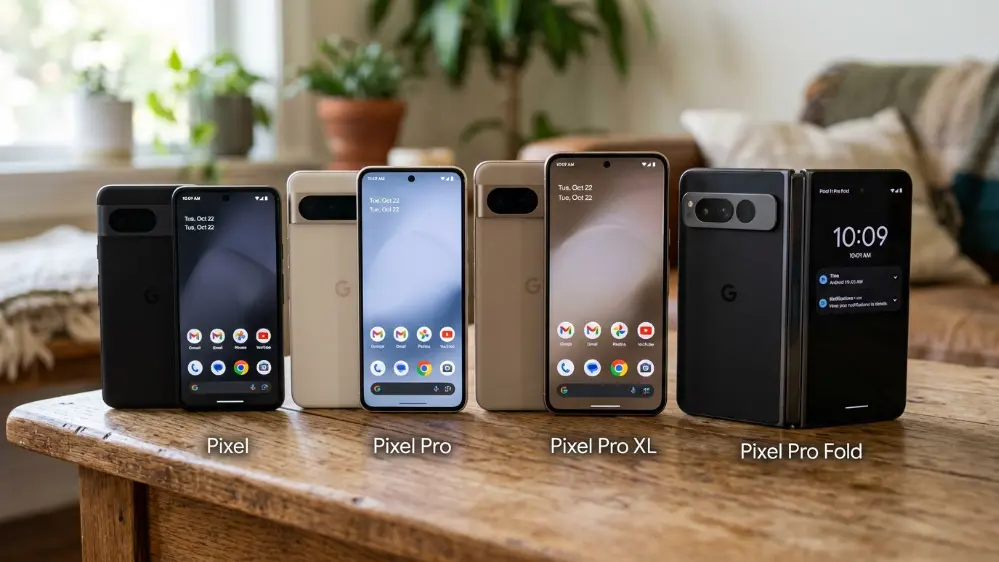
The Pixel 11 series is shaping up to be a four phone lineup again this year, made up of the standard Pixel 11, the Pixel 11 Pro, the Pixel 11 Pro XL, and the Pixel 11 Pro Fold. That’s the same structure Google used for the Pixel 10 generation, and nothing in the leaks so far suggests Google is changing that approach.
The standard Pixel 11 is aimed at buyers who want the core Pixel experience without paying flagship prices. Leaked Amazon listings, reported first by Droid Life and later corroborated by Android Central, point to a 6.3-inch OLED display running at up to 120Hz, a battery just under 5,000mAh, and a 13-megapixel front camera. Reported colors include Frost, Pistachio, Hibiscus, and Obsidian.
The Pixel 11 Pro and Pro XL sit above that, sharing most of their internals but differing in screen size and battery capacity. The same leaked listings suggest the Pro sticks with a 6.3-inch display and a roughly 4,850mAh battery, while the Pro XL steps up to a larger panel and a battery closer to 5,115mAh. Both are expected in Dune, Light Fog, Midnight, and Pine finishes, a noticeably quieter palette compared to the louder colors on the standard model.
The Pixel 11 Pro Fold rounds out the lineup as Google’s foldable option, reportedly featuring an 8-inch inner display and a 6.4-inch cover screen, folding down to about 10.1mm thick. If you’re deciding between the Pro, the Pro XL, or the Fold, the honest way to think about it is screen size and portability first, since the core camera and chip experience is expected to be very similar across all three Pro tier devices.
Google Pixel 11 Price
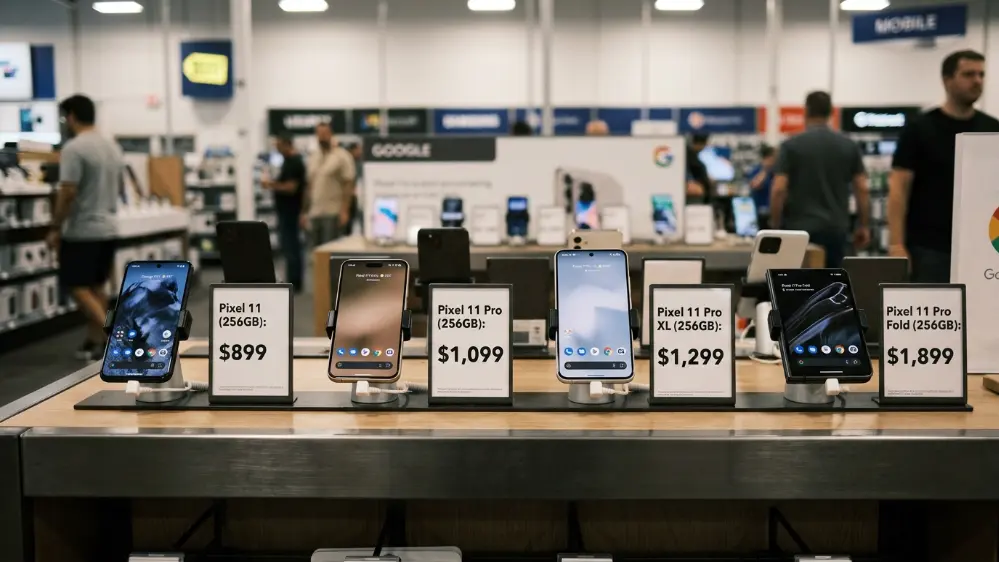
Pricing is where this year’s leaks have been unusually detailed, mostly thanks to that Amazon listing slip up. According to the leaked figures, the standard Pixel 11 starts at $899 for 256GB in the US, with a 512GB option around $1,019. That headline number might look unchanged from the Pixel 10 at first glance, but there’s a catch. Google has reportedly dropped the 128GB storage tier entirely, meaning the cheapest Pixel 11 you can actually buy now starts at 256GB rather than 128GB, so anyone who used to buy the entry level configuration is effectively paying more for the same starting point.
The Pixel 11 Pro is expected to start at $1,099 for 256GB, with the Pro XL landing around $1,299 and the Pro Fold above that at roughly $1,899 for its base 256GB model, climbing to around $2,019 for 512GB. In Europe, reported starting prices are €999 for the standard Pixel 11 and €1,199 for the Pro, generally following the same upward shift seen in the US pricing.
Google VP Shakil Barkat has publicly pointed to a “severe, supplier-driven RAM crisis” as a reason for the pressure on pricing this generation, and that’s not just corporate language dressing up a price hike. PhoneArena has cited Morgan Stanley data showing RAM costs jumping from around $2.80 to $12 per gigabyte between 2025 and 2026, a roughly sixfold increase that’s hit basically every phone maker’s component costs this year, not just Google.
Worth noting: these figures came from leaked listings and tipster reports ahead of launch. If you’re reading this after August 12, check Google’s own store page for the final confirmed pricing in your region, since regional taxes and carrier deals can shift the numbers slightly from the US figures above.
Specs: Tensor G6, RAM and What Powers the Pixel 11
Every model in the lineup is expected to run on Google’s new Tensor G6 chip, built on a more efficient process than last year’s Tensor G5. One detailed leak from PhoneArena, attributed to tipster Mystic Leaks, suggests the G6 may use an unusual seven core layout rather than the typical six or eight cores, including a single high performance prime core running at roughly 4.11GHz alongside four performance cores clocked around 3.38GHz. There’s also chatter that the chip could be manufactured on TSMC’s advanced N2 process rather than Samsung’s foundry, which would be a meaningful shift for Google if it holds true.
Alongside the new chip, the G6 reportedly includes a new Metis image signal processor working together with a more powerful dual TPU setup, which matters directly for how well the phone handles on-device AI processing for Gemini features and computational photography.
RAM configurations reportedly vary by model and storage tier. Leaked listings suggest the 256GB Pro and Pro XL models ship with 12GB of RAM, while higher storage configurations bump up to 16GB. There’s a more concerning detail floating around specifically about the standard Pixel 11, with one report suggesting its base configuration might only carry 8GB of RAM, below the 12GB minimum Google has stated is needed for full Gemini Intelligence features. If that leak holds up, it would mean the cheapest Pixel 11 configuration might not fully support the AI features Google is marketing as a headline reason to buy the phone in the first place, though this detail remains unconfirmed and could shift before launch.
Other expected specs across the board include Android 17 out of the box, a Titan M3 security chip, Wi-Fi 6E, Bluetooth 6, Qi2 magnetic wireless charging, and IP68 dust and water resistance. Wired charging on the Pro model is rumored to potentially climb to 45W, up from 30W on the Pixel 10 Pro, though this hasn’t been locked down in any leak with full confidence yet. As has become standard for Pixel phones in recent years, none of the models are expected to include a charger in the box.

Camera: What’s Actually Changing
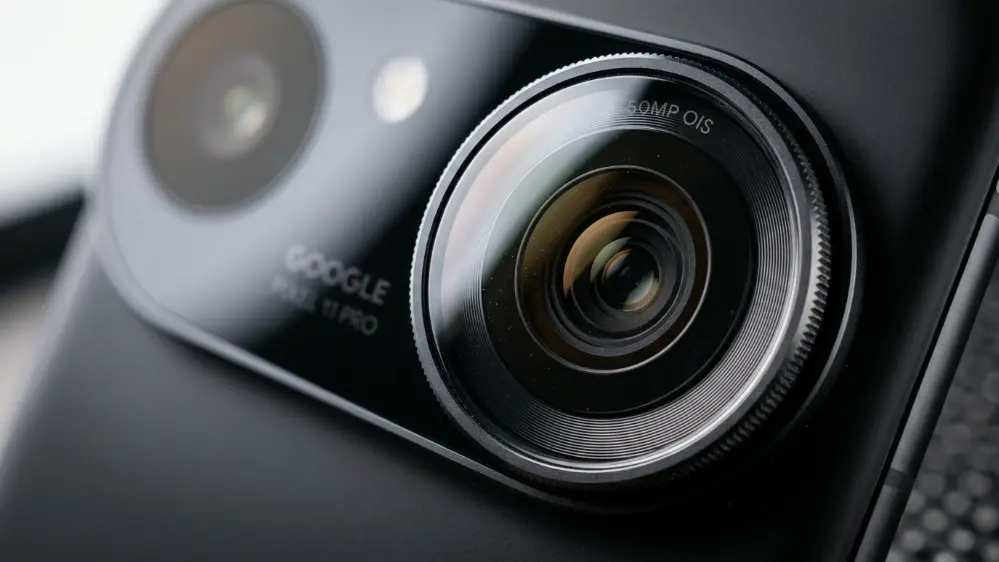
This is probably the most searched question around the whole launch, and it deserves an honest answer rather than hype. Some earlier chatter online floated the idea of a 400 megapixel camera sensor on the Pixel 11 Pro, but that figure has not shown up in any of the credible marketing leaks or tipster reports that have actually surfaced ahead of the event. The real, leaked camera specs point to something more modest but still genuinely useful: a 50-megapixel main sensor, a 48-megapixel ultrawide with macro support, and a 48-megapixel periscope telephoto lens.
The bigger camera story this year is zoom, not megapixels. Leaked official marketing renders published by longtime leaker Evan Blass confirm the Pixel 11 Pro’s telephoto camera will support 120x digital zoom, up from 100x on the Pixel 10 Pro. Optical zoom on the telephoto lens itself is expected to stay at 5x, meaning the jump comes from improved digital processing and AI upscaling above that optical range rather than a bigger physical zoom lens. For reference, the Pixel 10 Pro already handled AI assisted zoom above 5x reasonably well, so this looks like Google leaning further into a strength it already had rather than starting from scratch.
The front facing camera is reportedly staying at 13 megapixels across the standard and Pro models, based on the leaked Amazon listing, a slight departure from an earlier report that pointed to a 42-megapixel selfie sensor. Given how often early leak numbers shift before an official announcement, it’s worth taking any single figure here as a moving target until Google’s own keynote slides confirm it.
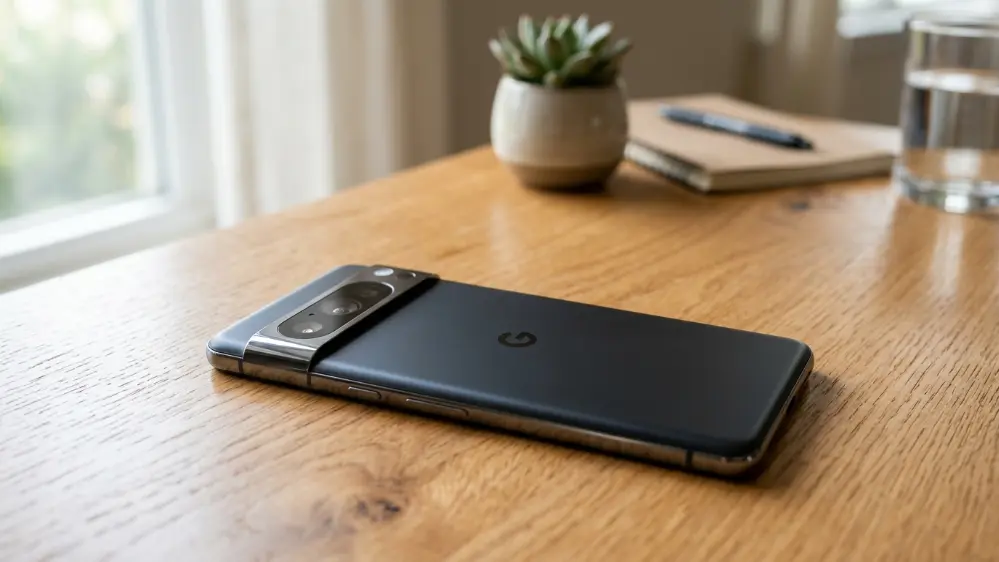
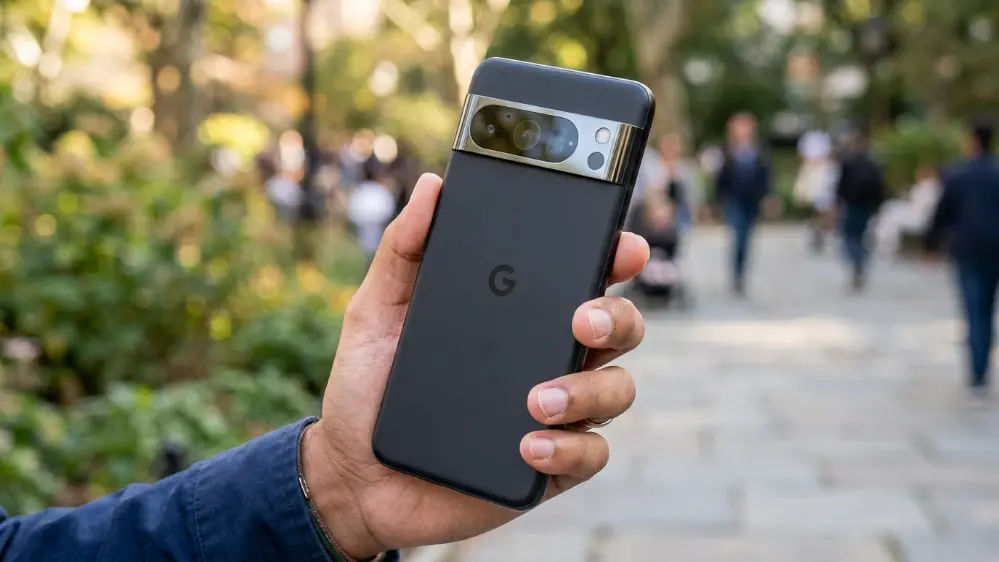
One more design detail tied directly to the cameras: renders show the entire camera bump on the Pro models now fully clad in glass, with no metal section on the right side the way earlier Pixel generations had. The camera island also appears to protrude slightly more than on the Pixel 10 Pro, though it’s hard to say by how much from renders alone.
Design Leaks: Colors, the Camera Bar and Pixel Glow
The overall shape of the Pixel 11 stays close to the Pixel 10, so don’t expect a dramatic redesign. What’s changing is more about materials, finish, and a few small software flourishes tied to the hardware.
One of the more talked about leaks involves the camera bar itself. Case leaks and design renders have pointed to a thinner, more streamlined camera bar this year, and Google’s Android 17 beta reportedly revealed Pixel 11 Pro Fold wallpapers ahead of the official reveal, giving an early look at colors and visual themes Google is leaning toward for this generation.
A feature called Pixel Glow has also generated its own wave of coverage, essentially an RGB LED array built into the camera bar, similar in concept to lighting effects on Google’s 2026 Home Speaker. Reported use cases include color coded notifications, an AI status pulse, and a lighting animation while charging. It’s confirmed to exist in Android 17 Beta 4 code, though one PhoneArena report suggested it might end up doing “only two basic things,” a slightly underwhelming detail for anyone hoping for something more elaborate.
As for colors, expect a clear split between the standard and Pro lines. The base Pixel 11 is reportedly getting louder, more playful shades like Pistachio and Hibiscus, while the Pro and Pro XL lean into quieter, more premium sounding options like Dune and Pine. That’s a deliberate choice on Google’s part, giving standard buyers more shelf appeal while positioning the Pro line as something that looks a bit more expensive in hand.
Should You Wait for the Pixel 11 or Buy the Pixel 10 Now?
If you already own a Pixel 10 or Pixel 10 Pro, the case for rushing to upgrade this year is genuinely mixed. The camera zoom jump to 120x is real and noticeable if you shoot a lot of distant subjects, and the Tensor G6’s rumored efficiency gains could mean better battery life and smoother AI processing. But the core design, main sensor resolution, and overall day to day experience look like an iterative step rather than anything transformative.
Where things get more interesting is for anyone still holding a Pixel 8 or older. Two full generations of camera, chip, and software improvements add up to a much more noticeable difference, and the improved zoom range plus a more capable Tensor chip should feel like a genuine leap rather than a minor refresh.
If you’re currently shopping and don’t already own a recent Pixel, the pricing situation actually makes the outgoing Pixel 10 lineup worth a look too. With the Pixel 11 launching at a higher starting price and dropping the 128GB tier, the Pixel 10 could see meaningful discounts once retailers start clearing inventory ahead of the new launch, which might make more financial sense than paying the new higher entry price for improvements that, so far, look fairly incremental.
The honest bottom line is this: unless the 120x zoom or the newer chip specifically solves a problem you have with your current phone, there’s no urgent reason to jump on the Pixel 11 the moment it launches. If you’re reading this before August 12, wait for full reviews before deciding. If you’re reading this well after launch, the same logic still applies. Look at what real owners are saying about battery life and camera performance a few months in, not just the announcement day headlines, before deciding whether it’s the right upgrade for you.
Frequently Asked Questions
Why did the Google Pixel 11 get more expensive this year? Google VP Shakil Barkat has pointed to a “severe, supplier-driven RAM crisis” driving up component costs industry wide. Morgan Stanley data cited by PhoneArena shows RAM prices jumping roughly sixfold between 2025 and 2026, which is hitting every phone maker’s pricing this year, not just Google.
Does the base Google Pixel 11 have enough RAM to actually run Gemini AI features? This is genuinely worth watching. One leak suggests the base Pixel 11 may ship with just 8GB of RAM, while Google has stated 12GB is the minimum needed for full Gemini Intelligence features. If that leak holds up, the cheapest configuration might not fully support the AI features Google is marketing as a reason to buy it, so check the official spec sheet before assuming the entry model gets the full experience.
What happened to the 128GB storage option? Google has reportedly dropped it entirely this generation. Every model, including the base Pixel 11, now starts at 256GB, which is part of why the “unchanged” $899 starting price is actually a price increase in disguise for anyone who used to buy the cheaper 128GB configuration.
Which Google Pixel 11 model should I actually buy? For most people, the standard Pixel 11 covers the core Pixel experience at the lowest price, assuming the RAM situation checks out. The Pro and Pro XL make more sense if the 120x zoom camera matters to you or you want more RAM as standard. The Pro Fold is really only worth it if you specifically want a foldable screen, since its camera and chip aren’t meaningfully better than the Pro XL’s.
How does the Google Pixel 11 camera compare to the iPhone? The clearest advantage is zoom range, with the Pixel 11 Pro’s 120x digital zoom well beyond what iPhone’s telephoto lenses currently offer. iPhone tends to hold an edge in video consistency and color accuracy across lighting conditions. Which one wins for you depends on whether you shoot more distant subjects or prioritize consistent everyday footage.
Is the Google Pixel 11 Pro Fold worth buying over the regular Pro XL? Only if you specifically want the folding form factor. Leaks suggest the Fold’s camera system and core chip are similar to the Pro XL’s, just wrapped in a foldable body with a smaller 5x optical zoom range and a considerably higher price. If you don’t have a specific use case for a foldable screen, the Pro XL likely gives you more camera performance for less money.
Are there any trade-in deals that bring the Google Pixel 11 price down? Google typically offers trade-in credit for older phones at launch, and the value of that credit often matters more to your final price than the sticker price itself. If you’re upgrading from a recent Pixel or a flagship Android phone, it’s worth checking Google’s trade-in estimate before deciding whether the price increase actually affects your out of pocket cost.
Is the Google Pixel 11 Pro 5G?
Yes. Every model in the lineup, including the standard Pixel 11, is expected to support 5G connectivity, along with Wi-Fi 6E and Bluetooth 6.