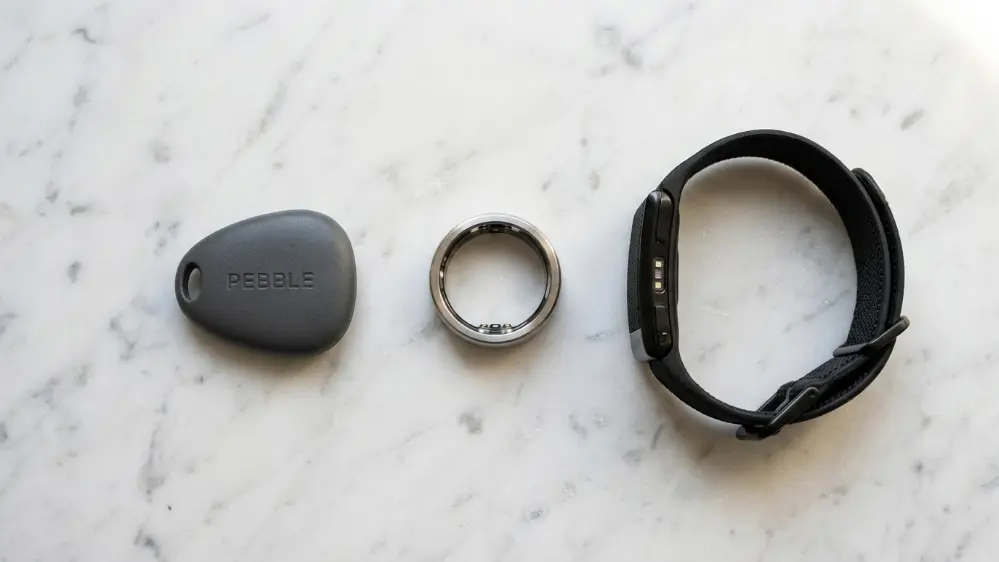
Fitbit Air vs Oura Ring vs Whoop has become one of the most searched wearable comparisons of 2026, and for good reason. Screenless health wearables have quietly become one of the biggest categories in wearable tech. Sales in this space grew close to 90 percent between 2024 and 2025 alone, and now three major names are competing for your wrist, or your finger, depending on which one you pick. We looked closely at pricing, sensors, battery life, and the AI coaching layer each one now offers to help you figure out which is actually right for you.
The Core Philosophy Difference
Before getting into specs, it helps to understand that these three products aren’t really built the same way, even though they compete for the same customer.
Whoop’s entire business model is built around a subscription. You don’t really buy a Whoop device outright. You pay for membership, currently starting at $199 per year, and the hardware comes along as part of that. Whoop’s own CEO has been blunt about the company’s philosophy, essentially arguing that anything with a screen is a watch, not a true recovery tool, which is why Whoop has never added one.
Oura takes a hybrid approach. You buy the ring itself as a one-time hardware purchase, typically in the $300 to $450 range depending on the finish, then pay a smaller ongoing membership, usually around $6 per month, to unlock the full app experience and features like the Oura Advisor AI coach.
Google’s Fitbit Air flips the model again. You pay a low one-time price of $99.99 for the hardware, and the core tracking features work permanently without any subscription at all. The AI coaching layer, called Google Health Coach, is the only part gated behind a paid tier after an initial three month free trial.
If you read our full breakdown of the Fitbit Air already, you know it’s clearly built to undercut Whoop on price while still competing on features. Full details here: Fitbit Air Review
Total Cost Over Three Years
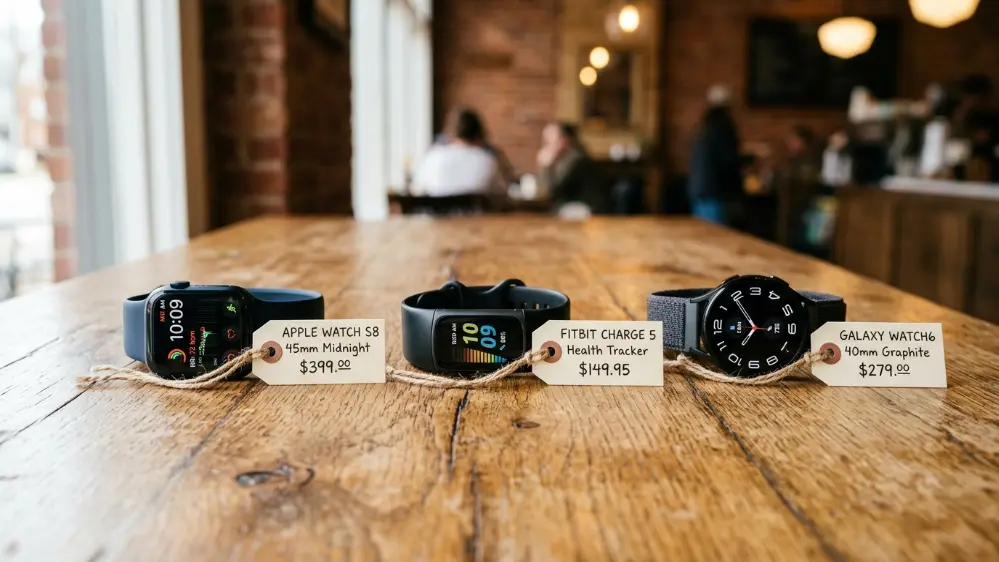
Pricing models get a lot clearer once you actually run the math across a realistic ownership period rather than comparing sticker prices alone.
Over three years, Whoop’s minimum cost, assuming you stick with the base $199 annual membership and never upgrade, lands around $597, and that’s before accounting for any price increases or premium tier upgrades many users eventually add.
Oura, assuming a mid-range ring purchase around $350 plus roughly $6 monthly membership, lands around $566 over the same three year period, once you include the membership fees on top of the initial hardware cost.
The Fitbit Air, at $99.99 with no required subscription, costs just that amount over three years if you skip the optional AI coaching subscription entirely. Even if you keep the $9.99 monthly Google Health Premium subscription the whole time, three years works out to roughly $459, still meaningfully cheaper than either competitor.
This math matters more than most buyers initially realize, since a wearable that looks cheaper on the shelf can end up costing more than a pricier one-time purchase once subscription fees accumulate over a few years of ownership.
Form Factor and Comfort
This genuinely comes down to personal preference more than any objective winner.
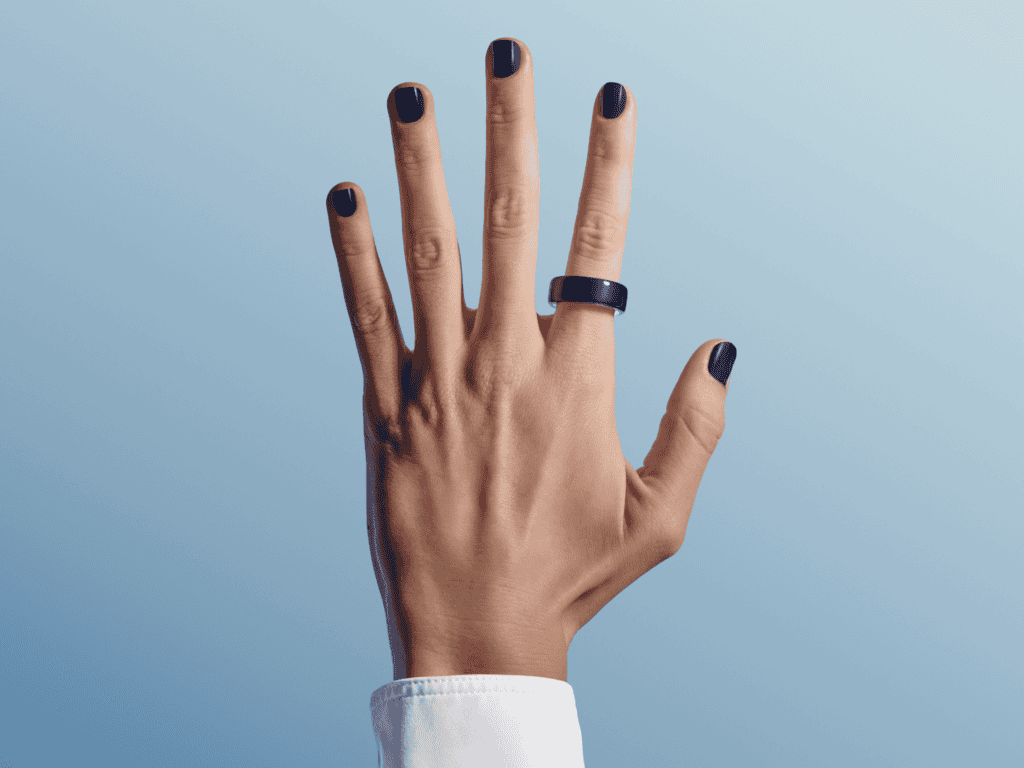
The Oura Ring sits on your finger rather than your wrist, which some people find far more comfortable to sleep in and forget about during the day. It comes in multiple finishes and sizes, closer to jewelry than a piece of tech.
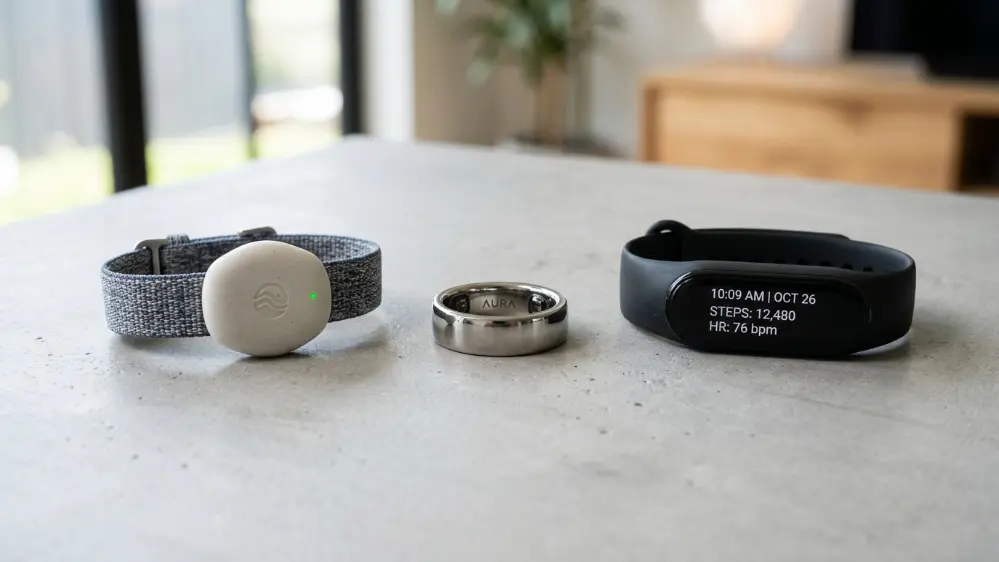
The Fitbit Air and Whoop are both wrist worn, clipping into swappable fabric or silicone bands. The Fitbit Air is notably light at just 12 grams, and multiple early reviewers have specifically called out how easy it is to forget you’re wearing it, especially overnight.

Sensor Depth and Sampling Frequency
If raw data density is your top priority, Whoop currently has an edge. It samples heart rate far more frequently than the Fitbit Air, which matters if you’re a serious athlete tracking subtle changes in recovery and strain throughout the day. Whoop has built its entire reputation on this level of granular data, particularly around its Strain and Recovery scoring system.
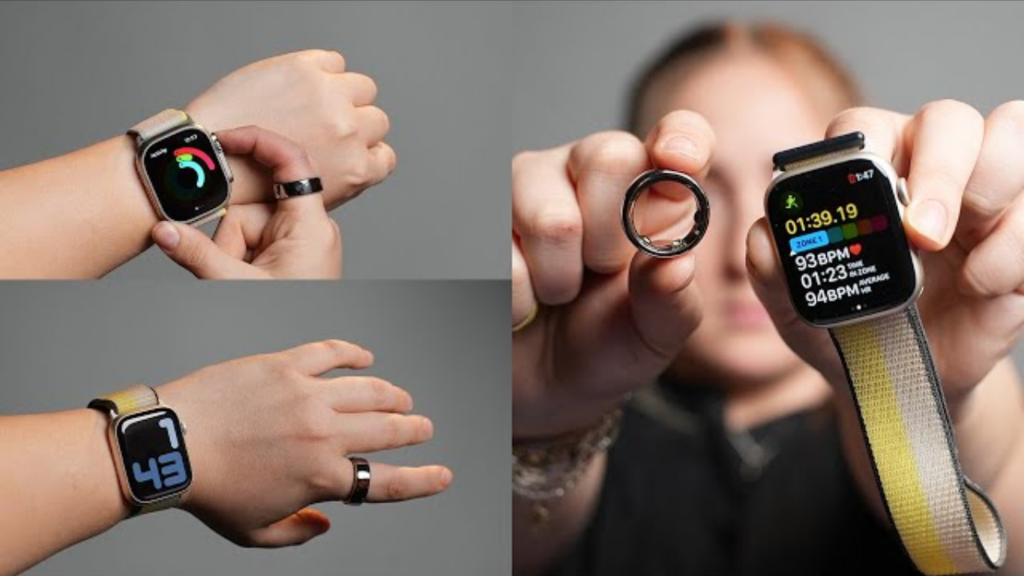
The Oura Ring focuses heavily on sleep architecture and recovery scoring as well, with a strong reputation specifically for sleep tracking accuracy, something we covered in detail in our earlier piece comparing it directly to a mainstream smartwatch: Oura Ring vs Apple Watch: Which is Better for Your Health?
The Fitbit Air covers the same core categories, heart rate, sleep stages, HRV, SpO2, and Afib alerts, but doesn’t match Whoop’s sampling frequency. For most casual users this difference won’t be noticeable day to day, but competitive athletes chasing precise recovery data may still prefer Whoop.

Battery Life
Whoop currently lasts roughly twice as long per charge compared to the Fitbit Air, which is rated for about a week. The Oura Ring typically lands in a similar range to the Fitbit Air, around four to seven days depending on usage and features enabled, though it charges via a small dock rather than a direct cable.
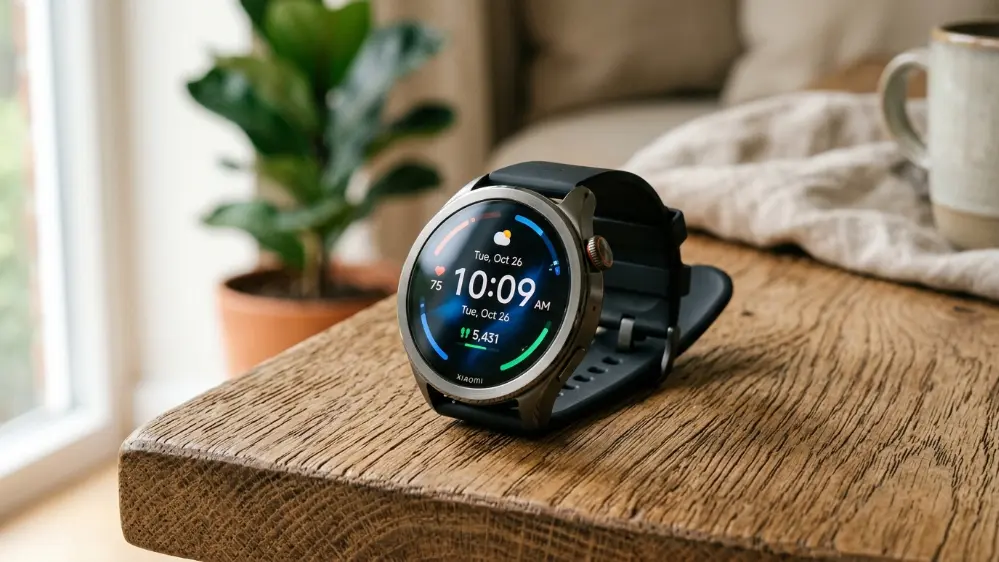
None of the three require daily charging, which is part of why this entire category exists in the first place. People got tired of charging a smartwatch every night and losing an entire night of sleep data in the process, a frustration we also touched on while covering Apple’s own Siri AI overhaul and its impact on Apple Watch battery expectations.
App Experience and Ecosystem
Each product’s companion app has developed a distinct personality over the past few years, and that experience matters just as much as the hardware itself since you’ll spend far more time looking at the app than the device.
Whoop’s app is built around its Strain and Recovery scores, presenting a single daily number meant to summarize how hard you should push yourself. It’s a simple, digestible system that longtime users tend to describe as genuinely motivating once you understand how to read it.
Oura’s app leans more toward gentle, wellness focused framing, with its Readiness Score serving a similar role to Whoop’s Recovery number but presented with softer language and more emphasis on trends over time rather than a single daily verdict.
Google Health, the app behind the Fitbit Air, is the newest of the three and still finding its identity, but it benefits from Google’s broader ecosystem. It’s designed to eventually pull in data from other wearables through open APIs, positioning it as a potential hub rather than a closed system tied only to Fitbit hardware.

AI Coaching Features
All three brands have leaned hard into AI coaching over the past year, and it’s genuinely become the main battleground rather than the hardware itself.
Oura’s AI Advisor is widely regarded as one of the more polished implementations, offering conversational check-ins and detailed trend explanations rather than just raw numbers. It can build training plans and adjust its check-in frequency based on user preference.
Google’s Health Coach, powered by Gemini, plays a similar role for the Fitbit Air, translating raw metrics into plain language guidance about when to push a workout and when to rest, gradually building toward sustainable habit changes rather than single day targets. This same underlying Gemini technology is one of the three assistants ranked in our Best AI Assistant Apps of 2026 comparison.
Whoop’s coaching tools are also built around its Strain and Recovery framework, giving daily guidance based on how hard your body has been working and how well you’ve recovered.
Who Each Wearable Is Actually Built For
It helps to think in terms of specific user profiles rather than trying to declare one universal winner.
The budget conscious beginner who wants reliable health data without any ongoing financial commitment is best served by the Fitbit Air. The price of entry is low and there’s no pressure to keep paying month after month just to keep the device functional.
The style conscious user who wants their wearable to look like jewelry rather than tech, and who prioritizes sleep tracking above all else, tends to gravitate toward the Oura Ring, even with the higher upfront cost and small ongoing membership.
The dedicated athlete who wants the most granular recovery data and doesn’t mind paying an annual fee as the cost of serious training insight generally sticks with Whoop, since its entire product and business model are built specifically around that use case.
Which One Should You Actually Pick
If cost is your main concern, and you don’t want any ongoing subscription commitment, the Fitbit Air is the clear pick. You get solid core tracking permanently for a one time $99.99 payment, with AI coaching available as an optional add-on rather than a requirement.
If you want the most refined, jewelry-like form factor and don’t mind paying more upfront plus a modest ongoing fee, the Oura Ring remains a strong choice, particularly if sleep tracking accuracy is your top priority.
If you’re a serious athlete who wants the most granular recovery data available and doesn’t mind paying an annual membership as the cost of entry, Whoop still leads on raw sensor depth and battery life.
Frequently Asked Questions
Is the Fitbit Air cheaper than Whoop long term? Yes, significantly. The Fitbit Air costs $99.99 once with no required subscription, while Whoop requires an ongoing membership starting at $199 per year just to use the device at all.
Which is more accurate for sleep tracking, Oura or Fitbit Air? Oura has a longer track record and strong reputation specifically for sleep architecture accuracy, though the Fitbit Air covers similar sleep stage tracking at a lower price point.
Can I wear a Fitbit Air and a smartwatch at the same time? Yes, many people do exactly this, using the Fitbit Air for passive 24/7 tracking and a separate smartwatch for workouts or notifications.
Does Whoop have a one-time purchase option? No. Whoop’s business model is subscription based, and the hardware comes bundled with membership rather than sold separately.
Which wearable has the best AI coach? All three now offer AI coaching, Oura Advisor, Google Health Coach, and Whoop’s Strain and Recovery guidance. Each is well reviewed, so the better fit depends on which ecosystem and app experience you prefer.
Which wearable is cheapest over three years of ownership? The Fitbit Air, even including its optional monthly AI coaching subscription, comes out cheaper than either Oura or Whoop over a three year period, mainly because it has no mandatory ongoing cost.
Can I switch between these wearables and keep my historical data? Google Health is opening APIs to connect data from Garmin, Whoop, and Oura devices throughout 2026, which may eventually let you consolidate data from multiple wearables into one app, though full cross platform data portability is still developing.