The iPhone fold release date has become one of the most searched Apple topics of 2026, and for good reason. After years of rumors that never turned into an actual product, Apple finally looks set to release its first folding phone this fall, right alongside the iPhone 18 Pro and Pro Max. If you’ve been holding off on buying a new phone specifically to see what Apple’s foldable actually looks like, here’s everything currently known, separated clearly from what’s still just speculation.

When Is the iPhone Fold Coming Out
The dominant consensus, backed by reporting from Bloomberg, JPMorgan analyst Samik Chatterjee, and multiple supply chain sources, points to a September 2026 unveiling alongside the iPhone 18 Pro and Pro Max. That timeline has actually firmed up over the course of the year. Earlier reports floated a possible slip into November or December, but by June 2026 the dominant reporting across Bloomberg, MacRumors, and CNET had settled back on September.
There’s a real catch worth understanding before you get too excited about buying one on day one, though. DigiTimes reported in April 2026 that mass production start had been pushed from June to August, a one to two month delay in the supply chain. The launch date itself hasn’t moved, but the experience of actually buying one this year may end up looking more like trying to get an Apple Vision Pro at launch than picking up a regular iPhone off the shelf. Expect limited stock, especially in the first few months.
If you’re specifically comparing this to our full breakdown of the iPhone 18 Pro and Pro Max, it’s worth remembering the Fold is a separate device entirely, not a variant of either Pro model, even though all three are expected on stage together.
iPhone Fold or iPhone Ultra: Why the Name Keeps Changing
Apple hasn’t confirmed an official name yet, and that’s genuinely part of why search results feel so scattered. For years, “iPhone Fold” was the assumed name, simply following the pattern Samsung and other Android makers use for their own folding phones. More recently, leakers including Bloomberg’s Mark Gurman have suggested Apple could go with “iPhone Ultra” instead, positioning the device above the Pro Max in Apple’s lineup the same way “Ultra” already sits above other product lines like the Apple Watch Ultra.
The distinction matters more than it might seem. If Apple calls it the Fold, the marketing message is simple: Apple finally made a foldable phone, joining a category everyone else has been in for years. If Apple calls it the Ultra, the message shifts to something bigger, a brand new top tier category above the Pro Max entirely. Until Apple actually announces it, both names are floating around in search results and coverage, which is why you’ll see “iPhone Fold” and “iPhone Ultra” used interchangeably, sometimes even mashed together as “iPhone Ultra Fold” in social posts.
iPhone Fold Price: What It’s Actually Going to Cost
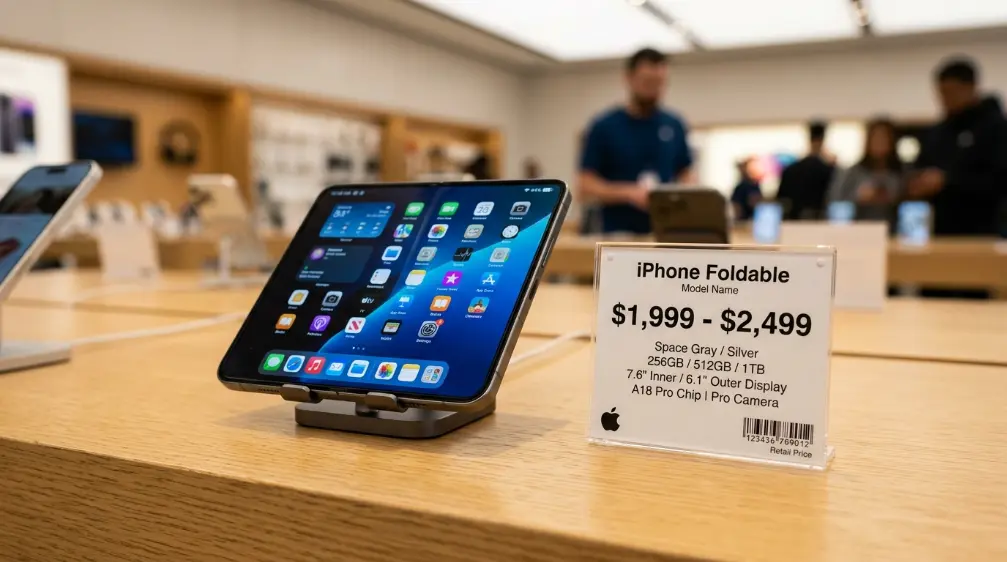
Every credible report agrees on one thing: this is going to be Apple’s most expensive iPhone ever. Ming-Chi Kuo forecast a range between $2,000 and $2,500 as early as March 2025. A separate leaker in April 2025 narrowed that to between $2,100 and $2,300. By 2026, a Weibo leaker offered more specific per capacity pricing, starting around $2,325 for 256GB, climbing to roughly $2,645 for 512GB, and potentially exceeding $3,000 for a 1TB configuration.
More recently, JPMorgan’s own analyst estimate landed on a cleaner, rounder figure: $1,999 as the likely starting price. That’s slightly more optimistic than some of the earlier per capacity leaks, but it still places the device well above even the Pro Max, and most current reporting treats anything above $2,000 as close to a floor rather than a ceiling.
iPhone Fold Specs: Display, Chip and Design
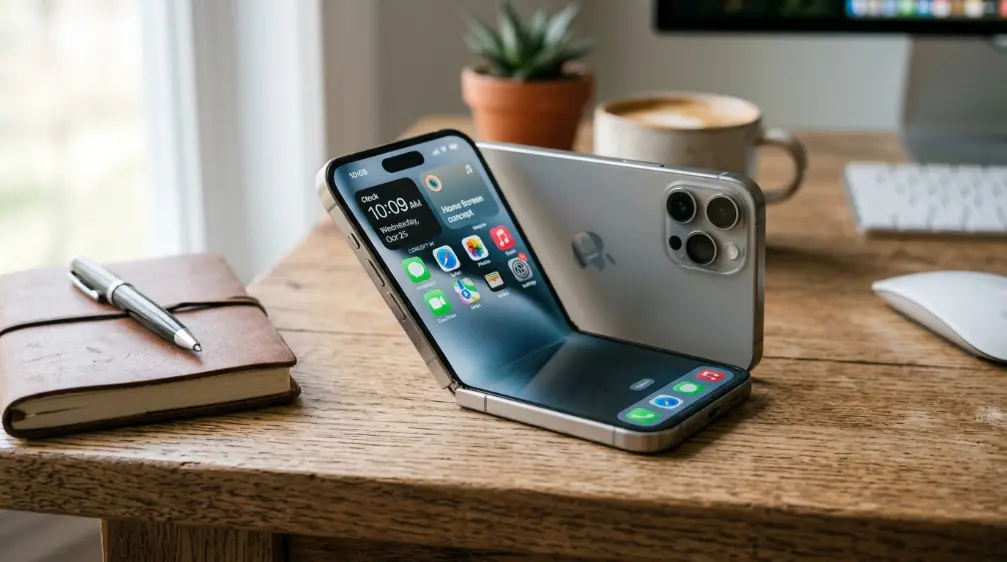
The display is expected to be the headline feature. Current leaks point to a 7.6 to 7.8 inch inner screen when unfolded, paired with a smaller 5.5 inch cover display for quick glances without opening the phone. JPMorgan’s Chatterjee specifically mentioned the inner screen having no visible crease, something no foldable phone maker, including Samsung, has fully solved yet, though Samsung is apparently aiming to debut similar crease reducing technology around the same time.
On the chip side, the Fold is expected to share Apple’s new A20 Pro chip with the iPhone 18 Pro line, built on TSMC’s 2 nanometer process. One under discussed detail from supply chain reporting involves how that chip is packaged. Apple is reportedly using a new WMCM packaging method that stacks 12GB of RAM directly onto the chip wafer itself, and the Fold is one of the first two Apple products expected to ship with this packaging approach. Storage is expected to follow the usual Pro ladder, from 256GB up to 1TB, and cellular connectivity is expected to use Apple’s third generation in house C2 modem.
Design wise, the device is described as a book style foldable, opening like a small tablet rather than a flip phone. Reports have also floated the possibility that Face ID, rather than Touch ID, remains the primary authentication method, though camera and battery details remain some of the least confirmed specs at this stage.
What the iPhone Fold Might Actually Be Used For
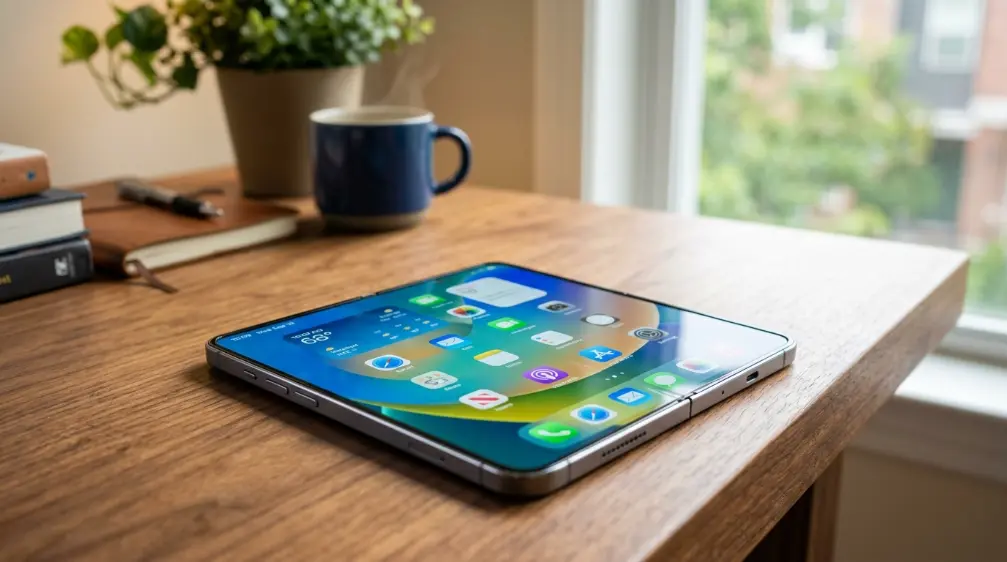
Beyond the novelty of Apple finally entering the foldable category, it’s worth thinking through what a device like this genuinely changes about daily use. The bigger inner display naturally lends itself to split screen multitasking, something Apple has historically kept fairly limited on the iPhone compared to the iPad. Reports suggest iOS is being adapted specifically to take advantage of the larger unfolded screen for things like running two apps side by side, viewing a full size document while messaging, or watching video with a genuinely larger canvas than any standard iPhone offers.
For reading, browsing, and note taking, the unfolded display should land somewhere between a large phone and a small tablet, which is exactly the appeal that’s driven foldable adoption on the Android side over the past several years. Whether Apple’s software genuinely takes advantage of that extra space at launch, or whether it initially feels like a stretched version of the standard iPhone interface, is one of the bigger open questions heading into September.
Production Numbers and What Limited Supply Actually Means for Buyers
Kuo’s reporting specifically noted that the complexity of a first generation foldable iPhone will cap production volume until 2027, which is a meaningful detail for anyone hoping to buy one shortly after launch. Unlike a standard iPhone, where Apple typically ramps production hard enough to meet most demand within the opening weeks, the Fold’s limited volume this year means expect longer shipping estimates, a real chance of showing as unavailable in physical stores, and potentially reduced availability of every color and storage configuration at once.
If owning one on day one matters to you specifically, setting a calendar reminder for the moment pre-orders open, and being ready to order within the first hour, is a genuinely reasonable strategy given how previous constrained Apple launches, including early Vision Pro availability, have played out.
Colors and Physical Design Details
Early reporting on the iPhone Fold points to a more restrained color selection than Apple typically offers on its Pro line, with two color options mentioned in current leaks rather than the four or more shades often available on the standard Pro Max. That’s consistent with how Apple has historically launched genuinely new product categories, starting conservative on color choice and expanding variety in later generations once the core hardware is established.
Weight and thickness details remain some of the least confirmed specs at this point, though foldable phones as a category have generally struggled with being noticeably thicker and heavier than standard phones when folded closed, a tradeoff necessary to fit two full displays and a hinge mechanism into one device. Apple’s manufacturing reputation for precision engineering gives some reason for optimism that the Fold might handle this tradeoff more gracefully than some earlier foldable attempts from other manufacturers, but this remains unverified until the device is actually in reviewers’ hands.
How the iPhone Fold Might Affect iPad Sales
An interesting secondary question worth considering is whether a genuinely capable foldable iPhone with a nearly 8 inch inner display starts to compete with Apple’s own iPad mini for certain use cases. Reading, browsing, and light productivity tasks on a device that size overlap meaningfully with what a small tablet already offers, and it’s not out of the question that some buyers who might have previously purchased an iPad mini as a secondary device end up choosing the Fold instead, especially given it also functions as their primary phone rather than requiring a separate device entirely.
Apple has generally been comfortable with some internal product overlap in the past, prioritizing giving customers options across multiple price points and form factors rather than avoiding any competition between its own products, so this kind of overlap likely won’t concern Apple even if it does happen.
How the iPhone Fold Compares to Samsung’s Foldables
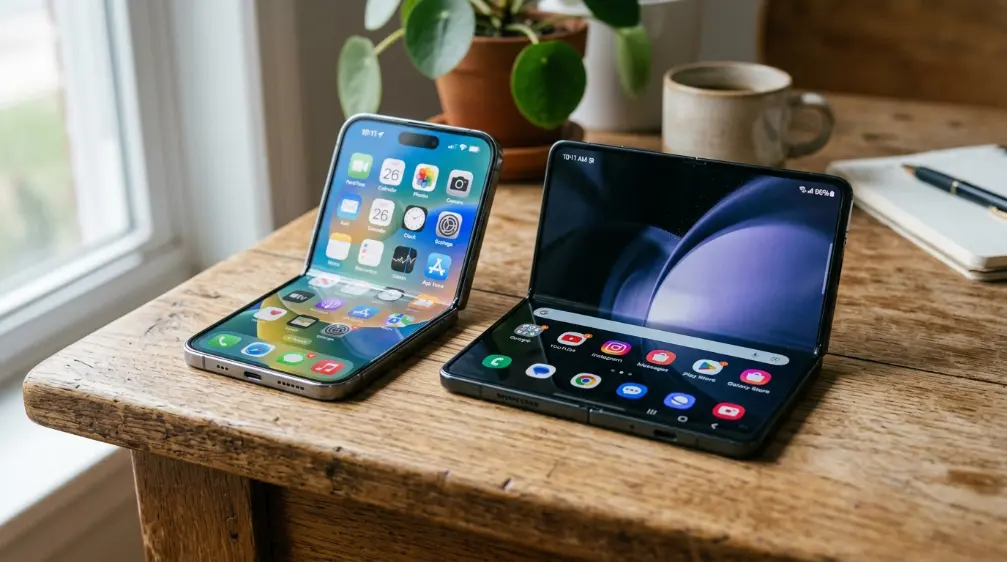
Samsung has spent nearly a decade refining its own folding phones, and that head start shows in small but meaningful ways, things like hinge durability, software optimized for a folding screen, and a mature ecosystem of apps that actually adjust well to the bigger inner display. Apple’s advantage, if the leaks hold up, is starting from a more advanced manufacturing position than Samsung did in its early years, potentially skipping some of the growing pains that plagued the first couple of Galaxy Fold generations.
Whether “simply being an iPhone” is enough to win over buyers who might otherwise choose a more established folding phone is genuinely an open question. Apple has built a track record of entering categories late and still capturing significant market share once it does, but a folding phone is a much bigger behavioral shift for most iPhone users than, say, switching from wired to wireless earbuds ever was.
The Vision Pro Comparison Worth Understanding Fully
Drawing the Vision Pro comparison a bit further out is worth doing properly, since it explains a lot about what buying experience to expect. When the Vision Pro launched, initial units were genuinely difficult to get, requiring in-person fitting appointments at Apple Stores and shipping windows that stretched for weeks beyond the initial announcement for anyone who didn’t order within the first hours. That pattern existed specifically because the Vision Pro combined entirely new manufacturing processes with a product category Apple had never shipped before at scale.
The iPhone Fold faces a similar, though likely less extreme, version of that same challenge. iPhones as a general product category are obviously not new to Apple’s manufacturing pipeline, but the specific folding mechanism, the crease reduction technology, and the new chip packaging approach are all genuinely first generation processes for Apple specifically. Expect the ordering experience to feel closer to a normal iPhone launch than the Vision Pro’s appointment based rollout, but with real early availability constraints that a standard Pro Max launch typically doesn’t have to the same degree.
What Happens to Apple’s Foldable Software Ecosystem Over Time
One of the more interesting longer term questions is how third party app developers respond to a genuinely large inner display on an iPhone. Historically, when Apple introduces new hardware capabilities, from the original bigger screen iPhone 6 Plus to Dynamic Island interactions, there’s a lag before app developers meaningfully update their apps to take specific advantage of the new capability, with many simply scaling their existing interface up or down without any real redesign.
Expect a similar pattern with the Fold. Apple’s own apps will likely showcase the biggest, most thoughtful adaptations to the larger unfolded screen at launch, while third party apps gradually catch up over the following months and years as developers get a better sense of how many customers are actually using the device and whether investing development time in Fold specific layouts pays off. This is a normal pattern across the entire foldable phone category, not unique to Apple, and it’s worth setting expectations accordingly rather than assuming every app you use daily will feel perfectly tailored to the bigger screen from day one.
A Note on Regulatory and Repairability Considerations
Foldable devices generally face more scrutiny around long term repairability compared to standard phones, given the added complexity of a hinge mechanism and dual displays that need to survive tens of thousands of open and close cycles over a typical ownership period. Apple has faced growing regulatory pressure in various markets, including right to repair legislation, requiring easier access to repair parts and documentation. How that pressure interacts with a genuinely more mechanically complex device like the Fold remains to be seen, and it’s a reasonable question to ask once official repair pricing and part availability are confirmed alongside the device itself.
Given the Fold’s expected premium price, a cracked inner display or hinge failure outside of warranty could represent a genuinely expensive repair, making AppleCare or an equivalent protection plan a much more relevant consideration for this device than it typically is for a standard iPhone purchase.
Should You Wait for the iPhone Fold
If you’re a genuinely curious early adopter with the budget for a $2,000-plus phone and you don’t mind potential stock shortages in the first few months, waiting for the Fold makes sense purely as a chance to own Apple’s first entry in this category. For almost everyone else, the practical case is weaker. The price gap between the Fold and the iPhone 18 Pro Max is enormous, and Apple’s own second generation foldable, expected to enter mass production in the second half of 2027 according to Kuo, will likely address any first generation rough edges the way most first attempts at a new form factor do.
If you’re weighing this against a standard upgrade instead, our breakdown of whether to wait for the iPhone 18 or stick with your current iPhone 17 covers that more common decision in detail. And if you’re curious how the rest of Apple’s fall lineup shapes up, including the cheaper models arriving later, we cover that in our guide to the iPhone 18e and iPhone Air 2.

Keeping Expectations Realistic Until Launch
Every detail in this guide comes from leaks and analyst reporting rather than an official Apple announcement, and that’s worth keeping in mind as September approaches. Specifications, pricing, and even the device’s final name could still shift right up until Apple’s own keynote. Treat this as the most complete picture currently available, built from the most consistently corroborated reporting across multiple independent sources, rather than a guaranteed preview of exactly what you’ll see on stage.
Frequently Asked Questions
When is the iPhone Fold release date? Current consensus points to September 2026, unveiled alongside the iPhone 18 Pro and Pro Max, though actual retail availability may be staggered due to limited early production.
How much will the iPhone Fold cost? Estimates range from $1,999 to over $2,500 depending on storage, with most recent analyst estimates landing around $2,000 to $2,200 for the base configuration.
Will it be called the iPhone Fold or iPhone Ultra? Apple hasn’t confirmed either name. Both are used by different leakers, with “iPhone Ultra” gaining more traction recently as a way to position the device above the Pro Max.
What chip will the iPhone Fold use? It’s expected to share the A20 Pro chip with the iPhone 18 Pro line, built on a 2 nanometer process, with 12GB of RAM stacked directly onto the chip using new packaging technology.
Will the iPhone Fold have a visible crease? Leaks suggest Apple is aiming for a crease free inner display, something no foldable phone maker has fully achieved yet, though this remains unconfirmed until launch.
Is the iPhone Fold worth waiting for? Only if the folding form factor itself genuinely interests you and the price doesn’t concern you. For most buyers, the iPhone 18 Pro Max offers a more practical and considerably cheaper option.
Will the iPhone Fold be hard to buy at launch? Likely yes. Analyst Ming-Chi Kuo has said first generation production complexity will cap volume until 2027, meaning real supply constraints similar to early Vision Pro availability should be expected.
Could the iPhone Fold replace an iPad mini for some buyers? It’s plausible. With a nearly 8 inch inner display, the Fold overlaps with what a small tablet already offers for reading and light productivity, while also functioning as a full phone.
Is AppleCare more important for the iPhone Fold than a standard iPhone? Given the added mechanical complexity of a hinge and the device’s expected premium price, an out of warranty repair could be genuinely costly, making protection coverage a more relevant consideration than it typically is for a standard iPhone.