If you’ve been searching for the iphone 18e release date and getting confused by results that all seem to be about a completely different phone launching in September, that confusion makes sense. Apple is splitting its 2026 to 2027 iPhone lineup in a way it hasn’t done in years, and the iPhone 18e along with a second generation iPhone Air are the two models landing on the later half of that split. Here’s what’s actually expected from both.
Why the iPhone 18e Isn’t Launching With the iPhone 18 Pro
Apple’s iPhone 18 Pro, iPhone 18 Pro Max, and its first foldable iPhone are expected in September 2026. The standard iPhone 18, the iPhone 18e, and the second generation iPhone Air are expected separately, in spring 2027 instead. If you want the full picture of why Apple is doing this, our guide to the iPhone 18 Pro and Pro Max covers the reasoning in more depth, but the short version is that Apple appears to want its Pro lineup and first foldable to have the spotlight to themselves this fall, pushing the more budget focused models to a separate spring event instead.
This isn’t a delay in the sense of something going wrong. It’s a deliberate restructuring of Apple’s release calendar, and it means anyone specifically waiting on a cheaper iPhone this year is looking at a longer wait than usual.
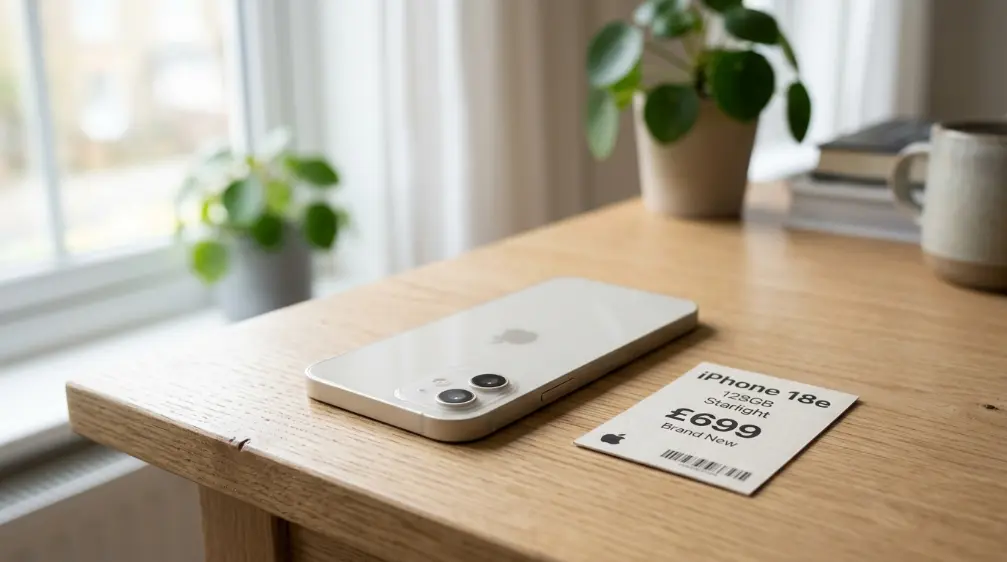
iPhone 18e Specs and Price
The iPhone 18e is expected to keep a familiar 6.1 inch display, similar in size to the current iPhone 17e, without major design changes. One of the more concrete rumors comes from analyst Jeff Pu, who expects the iPhone 18e to ship with 9GB of RAM, up from 8GB on the iPhone 17e. That’s a meaningful jump for a budget model, and it lines up with a detail separately corroborated by analyst Ming-Chi Kuo, giving it more credibility than a typical single source rumor.
The extra RAM matters specifically because of Apple’s growing list of on-device AI features tied to Siri’s overhaul and Apple Intelligence more broadly. Running those features smoothly requires more memory than older budget iPhones typically shipped with, and Apple appears to be adjusting the entry level RAM baseline across its cheaper models to compensate.
Chip wise, the iPhone 18e is a real possibility for Apple’s new A20 chip, the standard version rather than the A20 Pro variant reserved for the Pro line and the foldable. Pricing hasn’t been pinned down with the same confidence as the specs, though the current iPhone 17e’s starting price gives a reasonable baseline to expect only modest movement from, barring the same industry wide memory cost pressures affecting Apple’s entire 2026 lineup.
iPhone Air 2: What’s Changing
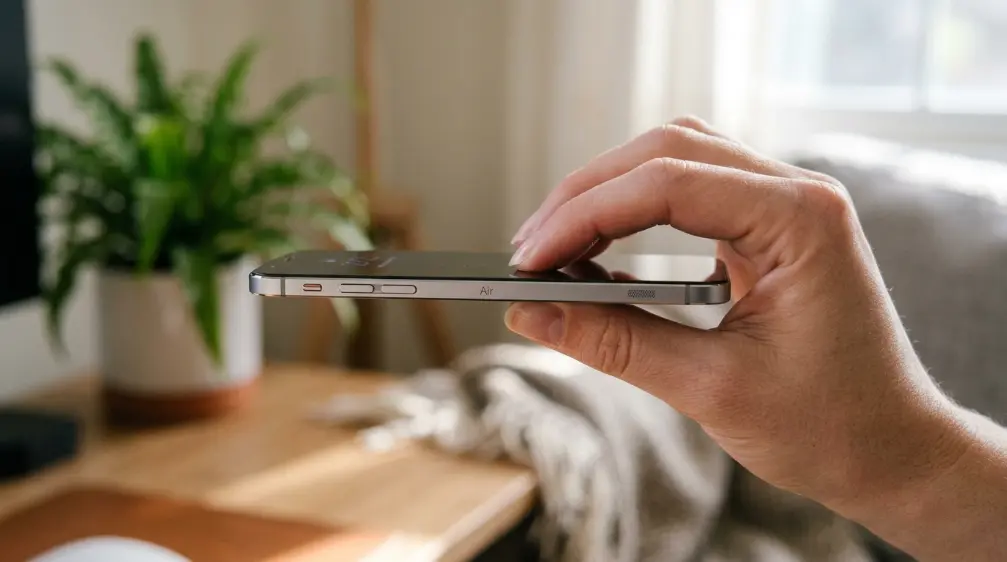
The second generation iPhone Air is the other half of this spring 2027 wave, and it’s dealing with a specific challenge the first generation Air ran into. Apple is reportedly exploring adding a second camera to the Air 2, specifically to make it more appealing to buyers weighing it against the Pro models and to help justify its $999 starting price. The original iPhone Air launched as a genuinely thin, lightweight device, but a single camera system made it a harder sell for anyone who cared about photography versatility, even a little.
Beyond the camera, the Air 2 is expected to keep the same core positioning as the first generation, a lighter, thinner alternative to the Pro Max for people who want a large screen without the weight or the camera bump, but without paying flagship prices either. Display size is expected to stay close to 6.3 inches, similar to the standard iPhone 18.
The History Behind Apple’s “e” Line Naming
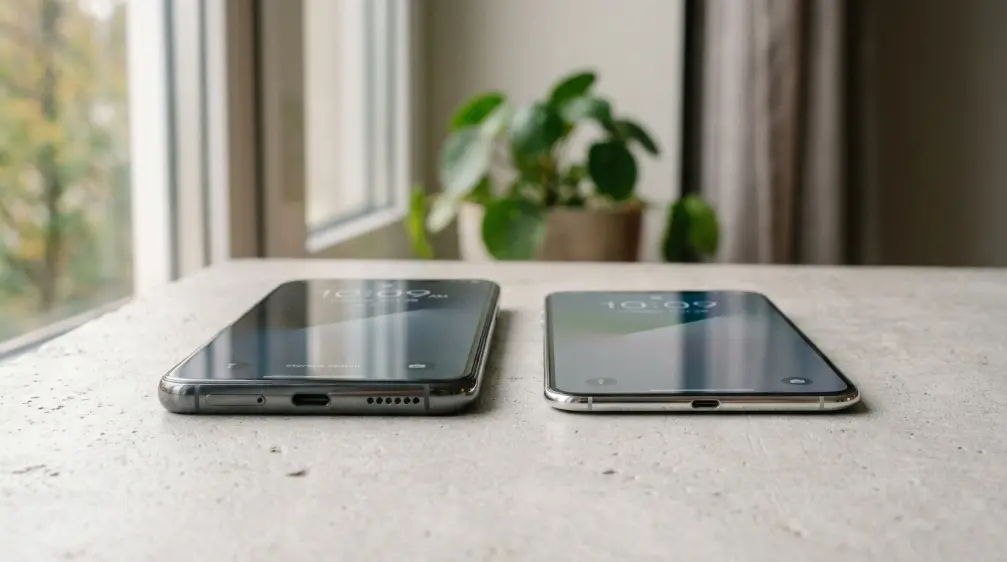
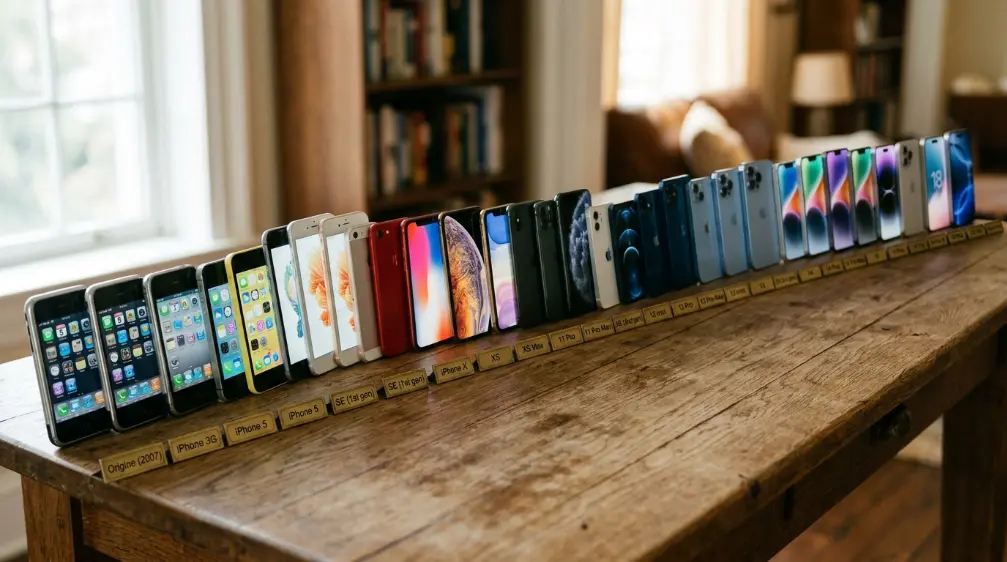
The “e” suffix has a specific history worth understanding if you’re trying to figure out where the iPhone 18e fits into Apple’s broader lineup. Apple first used the naming with the iPhone 5c, then revived a version of the concept with the iPhone SE line, before eventually settling on the “e” suffix directly attached to a numbered generation starting with the iPhone 16e. The pattern has consistently meant a phone that borrows the core chip and camera performance from the flagship generation it follows, while trimming other features like display technology, camera count, or design materials to hit a meaningfully lower price point.
That pattern is expected to hold with the iPhone 18e as well. Rather than getting Apple’s absolute newest features, expect a phone that takes proven technology from the recent Pro generation and packages it more affordably, a full generation cycle behind the bleeding edge rather than introducing anything genuinely new to Apple’s lineup first.
iPhone Air’s Design Philosophy and Why the Second Camera Matters
The original iPhone Air was built around a single, clear priority: being the thinnest, lightest large screen iPhone Apple has ever made. That came with real tradeoffs, and the single camera system was the most commonly cited complaint in early reviews. A single lens system, no matter how well tuned, simply can’t match the framing flexibility and zoom range that even a basic dual camera setup provides.
Adding a second camera to the Air 2 isn’t just about matching a spec sheet number. It directly addresses the most consistent piece of feedback Apple received about the first generation, and it suggests Apple is treating the Air lineup as a genuine ongoing product line worth refining, rather than a one off design experiment. If the rumor holds, expect Apple’s marketing to specifically highlight the improved camera as the headline change for the Air 2, likely positioning it as the fix for the first generation’s most obvious shortcoming.
What a Spring Apple Event Typically Looks Like
Apple’s spring events have historically been smaller in scale compared to the September iPhone keynote, often focusing on a narrower set of announcements rather than an entire new device family. If the iPhone 18e, standard iPhone 18, and second generation iPhone Air are indeed launching together in spring 2027, that would represent one of Apple’s larger spring announcements in recent memory, closer in scope to a full lineup refresh than the more modest software or accessory focused events Apple has sometimes held in March.
Expect coverage of this spring event to focus heavily on value and accessibility messaging, contrasting with the more premium, feature forward framing Apple typically uses for its September Pro launches. That’s a deliberate marketing distinction Apple tends to lean into, positioning its spring releases as the practical, budget conscious choice compared to the aspirational framing given to Pro models each fall.
RAM Requirements and the Growing AI Feature Gap
The jump from 8GB to a rumored 9GB of RAM on the iPhone 18e might look like a minor, almost arbitrary increase, but it reflects a genuine technical requirement rather than a marketing number. On-device AI processing, the kind powering Siri’s ongoing overhaul and broader Apple Intelligence features, needs a meaningful chunk of memory reserved specifically for running language models locally on the device rather than relying entirely on cloud processing. As Apple continues expanding what Siri and Apple Intelligence can do without an internet connection, the minimum RAM threshold across its entire lineup, including budget models, has been steadily climbing to keep pace.
This is worth keeping in mind if you’re specifically comparing the iPhone 18e against older budget iPhones still available at a discount. A phone with less RAM may run current apps fine today, but could struggle to support newer AI features Apple rolls out over the following one to two years of software updates, shortening its practical useful life even if the hardware itself keeps functioning normally.
How the iPhone SE Line’s History Informs 18e Expectations
Looking back at the iPhone SE line, which the 18e effectively continues in spirit if not always in exact naming convention, gives useful context for what to expect. Each SE generation historically reused a design from a couple of generations earlier while updating the internal chip to match whatever flagship was current at the time, an approach that let Apple offer genuinely capable performance at a meaningfully reduced price by amortizing design and tooling costs across a design that had already paid for itself in earlier flagship sales.
The “e” naming convention that eventually replaced SE branding starting with the iPhone 16e followed a similar underlying philosophy, just packaged with slightly more modern design language than the older SE models carried over. Expect the iPhone 18e to continue that same basic formula, prioritizing meaningful chip performance at a lower price over cutting edge design or camera technology, which remains reserved for the Pro and standard flagship lines.
Comparing iPhone Air 2 to the Standard iPhone 18
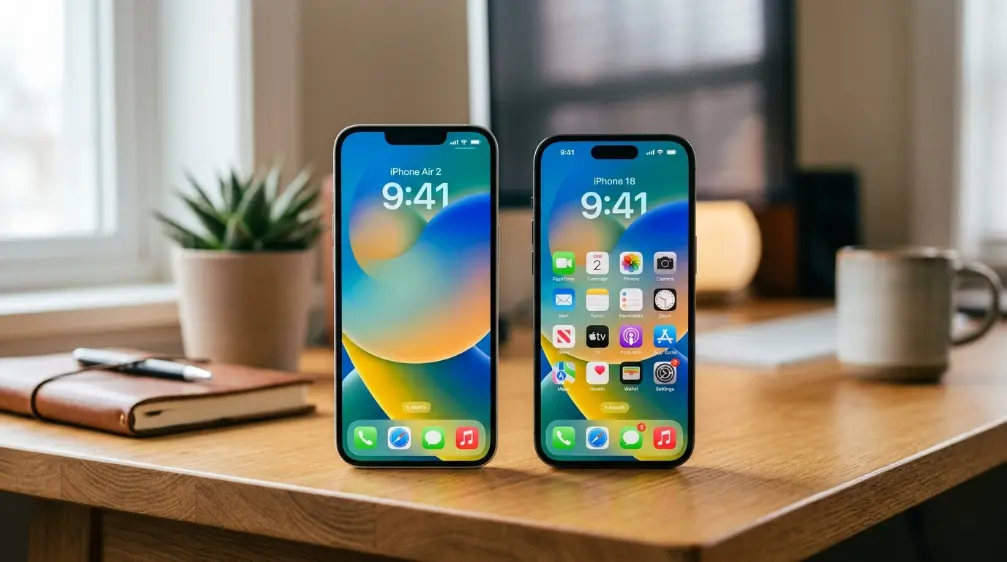
Since both the iPhone Air 2 and standard iPhone 18 are expected in the same spring 2027 wave, it’s worth understanding how Apple is likely to position them relative to each other, since they’ll be competing for some of the same budget conscious buyers. The Air line’s entire appeal centers on being noticeably thinner and lighter than a standard iPhone, appealing specifically to buyers who prioritize how a phone feels in hand and pocket over raw feature count. The standard iPhone 18, by contrast, is expected to prioritize a more balanced feature set without the same extreme thinness focus, likely including a more conventional camera system without the compromises the Air’s slim design has historically required.
If you’re deciding between the two once both are actually available, the decision largely comes down to whether the Air’s distinctive thin design genuinely matters to you enough to potentially accept a camera system that trails the standard model, or whether you’d rather have a more conventional but slightly bulkier phone with fewer design compromises.
What History Suggests About Spring Launch Pricing
Looking at how Apple has historically priced its spring released products compared to fall flagship launches offers a useful reference point. Spring launches have traditionally carried a more value focused positioning, with pricing increases, when they happen at all, generally smaller in absolute dollar terms than what tends to occur with Pro model pricing in the fall. Given the same industry wide memory and component cost pressures affecting Apple’s entire 2026 and 2027 product cycle, it wouldn’t be surprising to see at least modest price increases on the iPhone 18e and Air 2 compared to their direct predecessors, though likely nothing approaching the $200 to $300 increase rumored for the Pro Max this fall.
How the 18e and Air 2 Fit Into Your Upgrade Decision
If you’re deciding between waiting for one of these spring models versus buying an iPhone 18 Pro or Pro Max this fall, the decision really comes down to budget and priorities. The Pro models get the new A20 Pro chip, the shrinking Dynamic Island, and a genuinely upgraded camera system with a variable aperture lens. The 18e and Air 2 are aimed at buyers who want a modern iPhone without paying Pro pricing, and neither is expected to get the same chip tier as the Pro line.
If you’re currently using an older iPhone and trying to decide whether it’s worth holding out for spring 2027 rather than buying now, our guide on whether to buy the iPhone 17 or wait for the iPhone 18 walks through that broader decision in more detail, and much of that same logic applies here. If cost is your main driver rather than getting the newest chip available, waiting for the 18e specifically makes sense. If you want the best camera and performance Apple currently offers, the Pro models arriving this September remain the stronger pick regardless of your budget tier.
What This Means If You’re Shopping Right Now
If you need a phone immediately and don’t want to wait until spring 2027, your realistic options are the current iPhone 17e or 17, or stepping up to the iPhone 18 Pro or Pro Max once they launch in September. There isn’t a middle ground budget option arriving alongside the Pro models this fall, which is a genuine inconvenience if you were hoping to buy a new, current generation budget iPhone this year specifically.
Buying Refurbished as a Middle Ground
If neither waiting until spring 2027 nor paying Pro pricing this fall appeals to you, Apple’s certified refurbished store is worth checking as a genuine middle ground option. Refurbished iPhone 17 or 17 Pro units, backed by the same warranty as new devices, often become more available and better priced once the iPhone 18 Pro lineup launches and demand shifts toward the newest hardware. This route lets you get a currently capable, well supported iPhone without waiting seven or eight months for the 18e, while also avoiding this year’s Pro pricing increase entirely.
For anyone curious about how Apple’s other fall announcements are shaping up, our coverage of the rumored Apple Watch Series 12 and Apple’s upcoming smart glasses covers the rest of what’s expected around the same September event.
Why Budget Model Rumors Get Less Attention Than Pro Leaks
It’s worth acknowledging why coverage of the iPhone 18e and Air 2 feels thinner than the wall of detail already available about the Pro line. Supply chain leakers and analysts tend to focus their attention on whichever products carry the most revenue significance and consumer excitement, and Apple’s Pro models simply generate more of both. Budget models often stay relatively quiet in leak coverage until much closer to their actual launch window, meaning expect a meaningful increase in confirmed detail about the 18e and Air 2 as spring 2027 gets closer, rather than assuming what’s known today represents anywhere near the full picture.
Setting a Reminder for Spring 2027 Coverage
Given how far out the iPhone 18e and Air 2 launch still is relative to when most of this reporting emerged, it’s genuinely reasonable to expect meaningful changes to today’s rumors before an official announcement. If you’re specifically planning to buy one of these models rather than the Pro line this fall, checking back closer to the actual spring 2027 event for updated, more concrete details is a better use of your time than trying to lock in a purchase decision based on rumors that are still many months away from being finalized.
Frequently Asked Questions
When does the iPhone 18e come out? The iPhone 18e is expected to launch in spring 2027, alongside the second generation iPhone Air and the standard iPhone 18, separately from the iPhone 18 Pro models launching in September 2026.
What’s new in the iPhone 18e? The most concrete rumor points to a RAM increase to 9GB, up from 8GB on the iPhone 17e, helping it better handle on-device AI features, alongside a possible A20 chip.
Will the iPhone Air 2 have two cameras? That’s the current rumor. Apple is reportedly exploring a second camera specifically to make the Air 2 more competitive and help justify its price point compared to the first generation Air.
Why is Apple splitting its iPhone 18 lineup this way? Apple appears to want its Pro models and first foldable iPhone to have full attention at the September event, pushing its more budget focused models to a separate spring 2027 launch instead.
Should I wait for the iPhone 18e instead of buying now? If budget is your main concern, waiting makes sense. If you want the newest chip and camera technology Apple currently offers, the iPhone 18 Pro or Pro Max arriving this September remains the stronger choice.
What does the iPhone “e” naming actually mean? It typically refers to a more affordable model that borrows chip and camera technology from a recent flagship generation while trimming other features to reach a lower price point, a pattern Apple has followed since the iPhone 16e.
Will the iPhone 18e get the same AI features as the iPhone 18 Pro? Likely most of the same software features, though performance may differ given the standard A20 chip rather than the A20 Pro variant, and RAM levels that, while improved, still sit below the Pro line.